
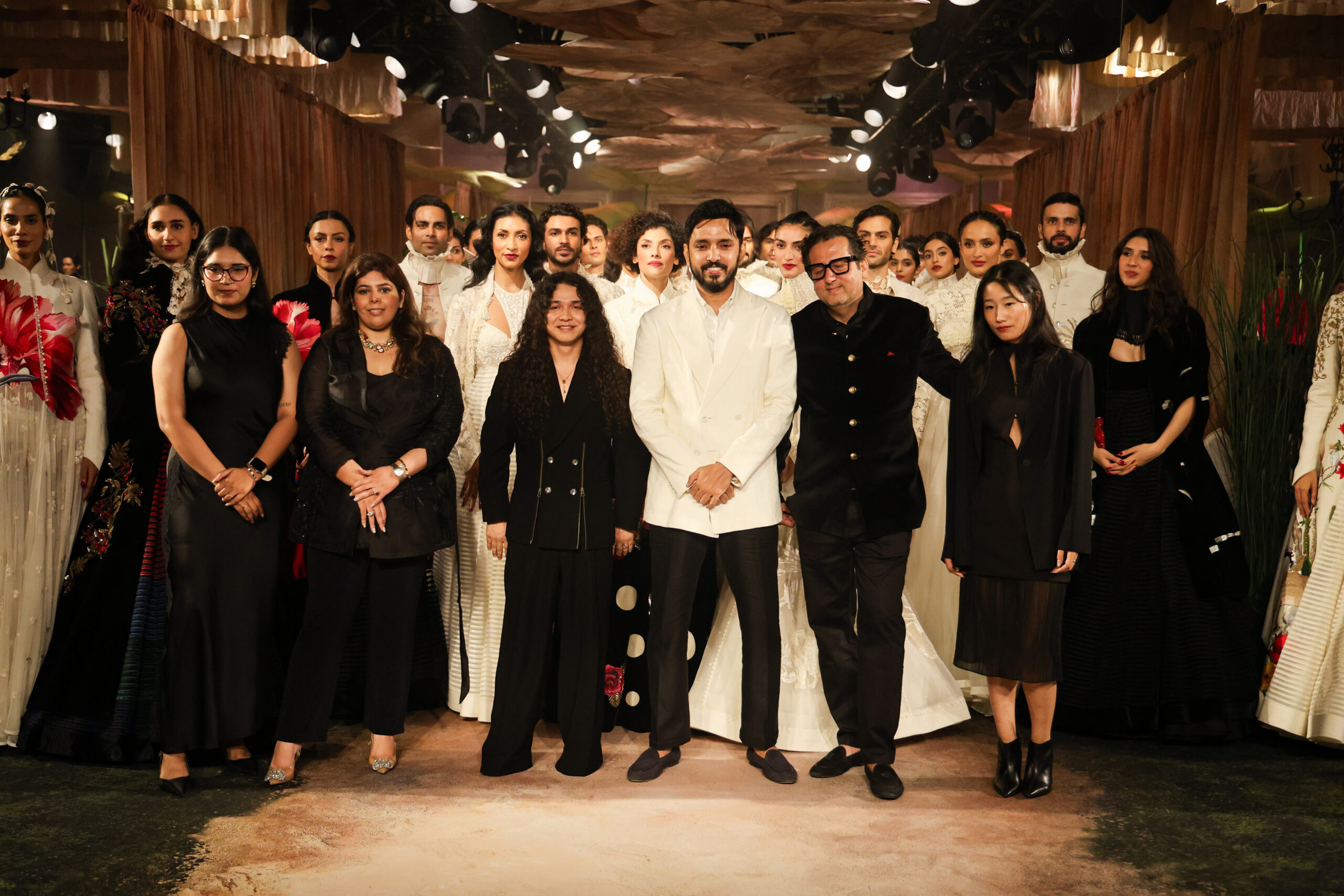
Whether it was winning Razzmatazz in Ghungroo back in the 80s, getting Chinar leaves from Kashmir for his show, saying “no” to Bhansali for Saawariya or his love for lotus, Rohit Bal was a trailblazer, Tasnim Fraze tells us why.
By Asmita Aggarwal
The first-time choreographer Aparna Bahl met Rohit Bal, she was 13, and used to admire him at the nightclub Ghungroo, as he won almost all the dance competitions. “He was the cool older person we all aspired to hang out with. I was a dancer too, I just couldn’t move the way he did on music,” she laughs, adding she began choreographing shows in the year 1995, this is her 31 st year. Soon they became friends, she was introduced to his nieces, by providence they discovered their maternal grandmas were friends/schoolmates in Kashmir.
“For me, there are so many wow moments knowing Gudda, one thing stood out, the white moon playing hide and seek from SS 2015 grand finale at Quli Khan’s Tomb, Qutub Archaeological Park at his show. It resembled a period film,” she says, as big roses in hair and Angarakhas paraded down the lithe runway.
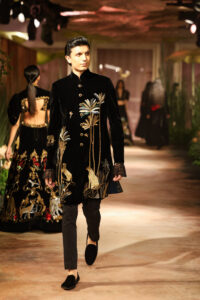
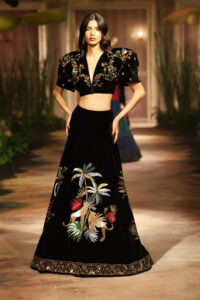
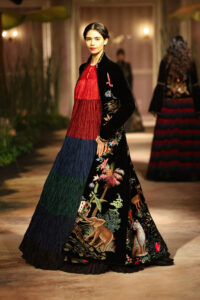
Her first designer Rohit Bal was a dupatta fashioned into a dress, at 18, “maybe one day Meera, my daughter may like to wear it, I’ve kept it as a memory of him,” she echoes.
Aparna and Bal connected emotionally with music, he used to love 70s-80s numbers, Indian, classical and Western, the pure artistry in him, made him a trail blazer. “He put men in skirts, in ‘Ayash’ line, 2002, and they looked handsome,” she confirms.
It has been two years since Bal’s demise, people haven’t forgotten him, especially those who worked with him, like Ayaz Ul Haq, graphic head. Almost 22 years he stayed loyal to Bal, who made him part of the family, whether it was doing graphics for bedsheets, carpets to invitations and product designing. “Gudda loved lotus, peacock, grapes motif, tulips, ivory and gold leaf printing. He was a designer with enormous clarity of thought, he never sketched, or believed in illustrating, it was a straight dive into the process. We had a bond, unmitigable chemistry, Gudda never compromised on his aesthetics,” says Ayaz.
There are many incidents that prove, he believed in himself-when Sanjay Leela Bhansali approached him, Bal sent sketches, the filmmaker wanted changes for Saawariya, the debut film of Ranbir Kapoor. “He rejected the movie, saying they must be accepted as is,” says Ayaz adding menswear does exceedingly well even though they don’t make bridal lehengas, it is a best seller.
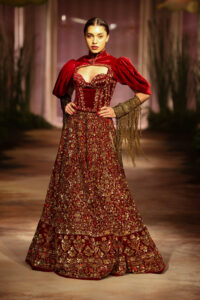
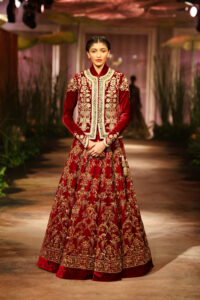
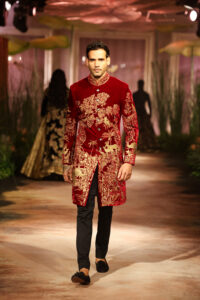
In his two-decade long career with the label, Ayaz saw many young designers being trained by Bal-Dhruv Vaish to Sahil Kocchar, they lefty, he never felt insecure but helped them establish their business, he always depended on himself.
“I saw Christian Louboutin at his factory learning from him in the 90s, Bal was relaxed, he liked working from home, went to the factory only for a few hours,” he adds, and would come in at 4 pm with a huge tiffin box of Kashmiri home food, for everyone.
He was never ambitious or wanted to make money, Aditya Birla and Reliance both approached him, he turned down their offer. “He would tell me, I want freedom, independence and no interference,” he says. Politics happenings troubled him, whether it was the Kisan Dharna or even today, Sonam Wangchuk’s hunger strike would have been a cause of concern for him. Every Thursday at the Sai Baba temple home food was delivered to those marginalized, “his charity was quiet.”
Former-model-turned-choreographer Anu Ahuja knew him since she was 20-years-old, she walked for his first show in the 90s at the multi-designer store Glitterati, Kemps Corner, Mumbai. “He would tell me, ‘Anu I don’t have a design degree, I hope I am walking the right path’,” she remembers, her reply, “You are a man of fine taste.” She recalls he was the only designer who would come to cheer for others-like Sabyasachi Mukherjee when he showcased in the Capital, applauding him from the stands.
“Gudda was a big, loving person, he never had an agenda, we adjusted to life’s vagaries, he stayed true to himself,” she recalls. Vidyun Singh, who studied international politics at JNU, after Economics from LSR, says, she used to run a show called “Avis Decade Parade” in the 80s, channelling the theme, “denim has survived every fashion cycle”, in the dance showcase at Ghungroo, the nightclub.
“My friend Rohit Khosla, asked me to try a new boy, Bal, 20, who’s brother had an export factory, to create a line of denims for the show in the 80s,” she says, “the rest is history”. Jessical Lal and Gudda came to source sequinned leotards and bodysuits for the dance show from Vidyun, for Razzmatazz, dance show in the 80s, he won a bike, declared winner.
When she met him, he was a student at St Stephen’s College, well read, knew about art, history, culture, the first show she vividly recalls for Ensemble, Mumbai, late 80s. “Though the first big one was at Taj Mansingh in 1991, where we incorporated trees in the background along with stilt walkers, flame throwers, jugglers and acrobats which many designers are doing now, so not a novelty,” she smiles.
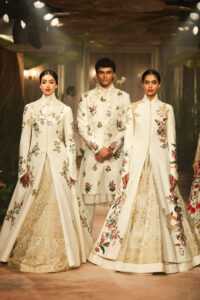
Her parting shot is perfect-Gudda loved Kashmir, it was in his heart and soul, he wanted to explore its beauty, “he got someone to get a sack full of autumn Chinar leaves for his show. I still have one pinned up on my board till today, it was his gift to me,” she says.
He did a NIFT diploma course in 1986, Media Makers did all his shows starting with his debut in the multi designer Ensemble Show in 1990. The show at Priya Cinema where a cinema theatre was used as a venue, another first! The Omega – Rohit Bal circuit of Delhi, Mumbai and Paris in 2000, in Paris the showstopper was Anna Kournikova. “The energy, enthusiasm and joie de vivre. Doing the touristy stuff, eating, drinking and partying between the rehearsals and work. As a designer he was par excellence forever raising the bar. His commitment and passion for reviving Kashmiri embroidery, his love and connect with Kashmir and nature that was captured stunningly in all his clothes from the ubiquitous lotus that was a signature as were his 50-metre sumptuous cream mulmul anarkalis, the design strength of his iconic and memorable creations lay in simplicity,” adds Vidyun.
She has precious memories of poems he wrote that he would share late into the night, “sharing pictures of flowers (and especially poppies, our common favourite) as they bloomed in our respective balconies in Delhi. A favourite and precious garment in my wardrobe is the ‘Vark’ sari that he hastily put together for a special wedding anniversary of mine. It came after the party had already begun with the earnest request that even though it was horribly late could I ‘please, please wear it’. Of course, I did and here is a pic of me in it with Gudda who came to the party later. This was from his collection for his ‘Sheen Mubarak’ (first snowfall in Kashmir) show that was to happen later that month. This was April 2005,” she adds.
For the Blenders pride tribute to Gudda in 2025 she had the sari restored with its original Vark work by the same block maker who had made the block 20 years ago for Gudda, thanks to Pankaj Ahuja who was working with Gudda at the time and incredibly still had the block makers contact.
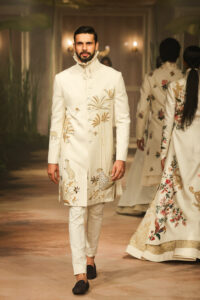
Tasnim Fraze, CEO, Rohit Bal believes today’s bride looks for something timeless. She wants craftsmanship, emotion, and a garment that becomes part of her story. That has always been the essence of Rohit Bal. “Grooms have also become much more expressive. They’re embracing richer embroideries and stronger silhouettes. They want an identity of their own,” he confirms.
Tasnim is from Hajipur, Bihar, his father was a Judicial Officer, and mother in the Education Department. They taught him discipline, honesty, and the value of hard work. “Coming from Bihar, finding my place in the fashion industry has been a unique journey. I first met Rohit sir when he saw my college project, created with support of Linen Club. He appreciated the work that became the beginning of my journey. At that time, I knew very little about embroidery. What I admired most was that he was a true people’s person. He valued relationships, respected everyone, and led with empathy. That’s a quality I try to carry forward every day,” he affirms.
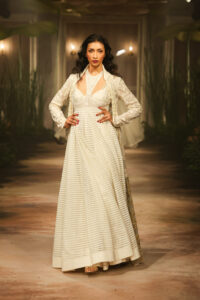
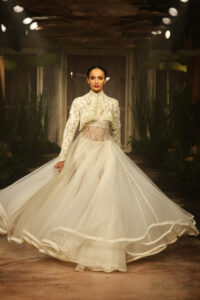
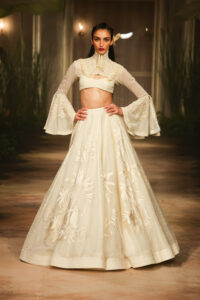
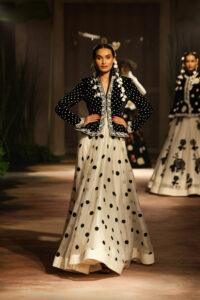
Preserving the legacy means taking inspiration from the past while designing for the present. It’s about protecting the soul of Rohit Bal while allowing the brand to evolve, he says.
Every collection begins with one question: “Does this feel like Rohit Bal?” If the answer is no, he refines it further. The biggest creative challenge was preserving the identity of a brand people have loved for decades. From a business perspective, focus has been on building a sustainable future while respecting its heritage, ensuring every decision strengthens the brand without compromising its identity.
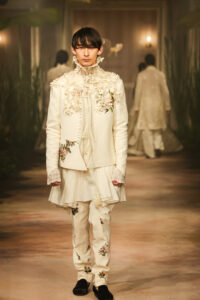
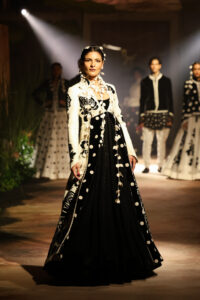
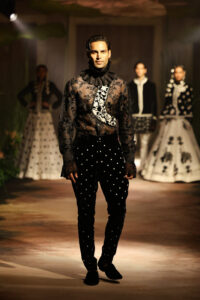
This ICW 2026 he has explored new proportions, lighter constructions, and refined tailoring while staying true to Bal’s craftsmanship. “We are inspired by antique paintings and vintage wallpapers,” he says, adding, Bal’s designs celebrated individuality rather than gender. He has carried that philosophy forward by reinterpreting his iconic motifs and silhouettes while preserving the essence of the brand.
His MBA, from IIM Ahmedabad has made the brand commercially viable, though he believes it isn’t the right definition. “The priority is to create a product that truly reflects the identity of the house. You can’t build a lasting brand by compromising on quality or service. If you’re honest with your product, the right clients will come. Creativity and business must always go hand-in-hand,” he adds.
The love people have for Rohit was built through genuine relationships, with friends, artisans, clients, and everyone around him. His responsibility is not to use that goodwill, but to honour it by carrying forward the same values of respect, trust, and empathy. “If we stay true to those values, that loyalty naturally continues,” he concludes.