Future Luxe

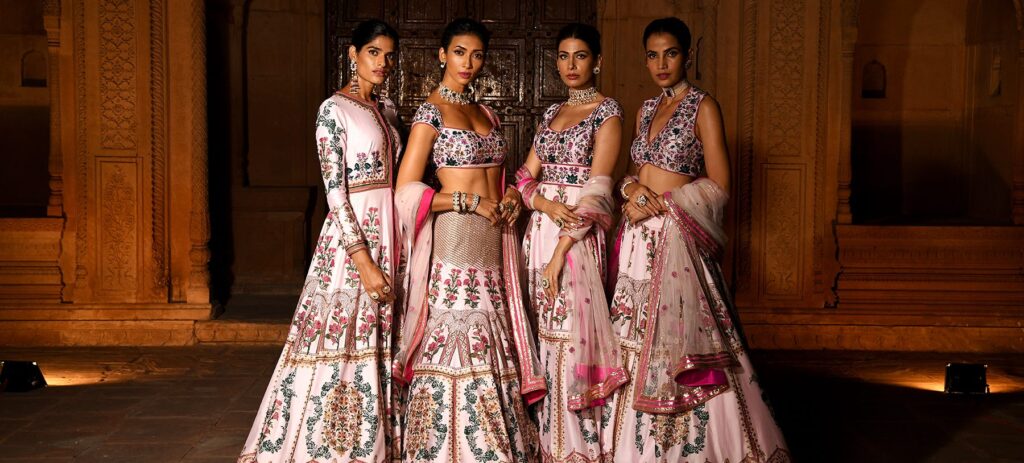
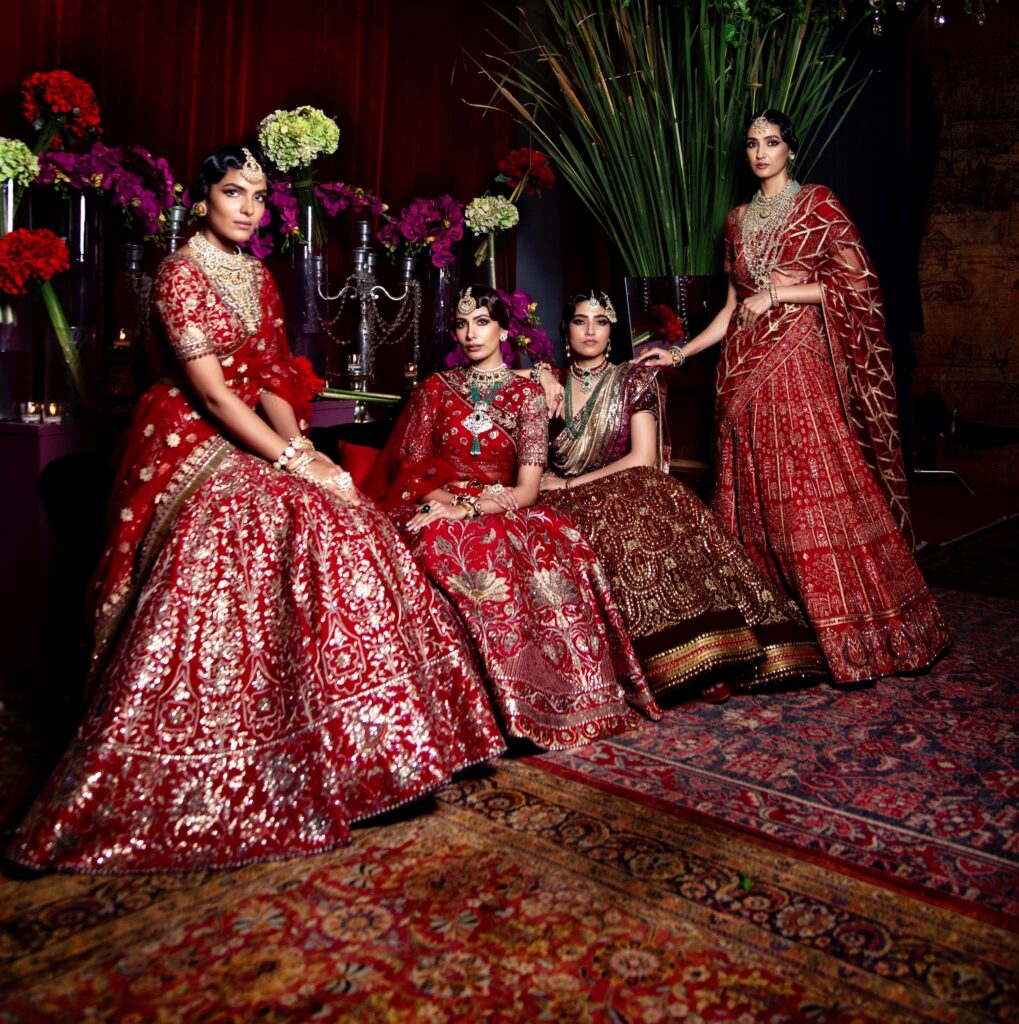
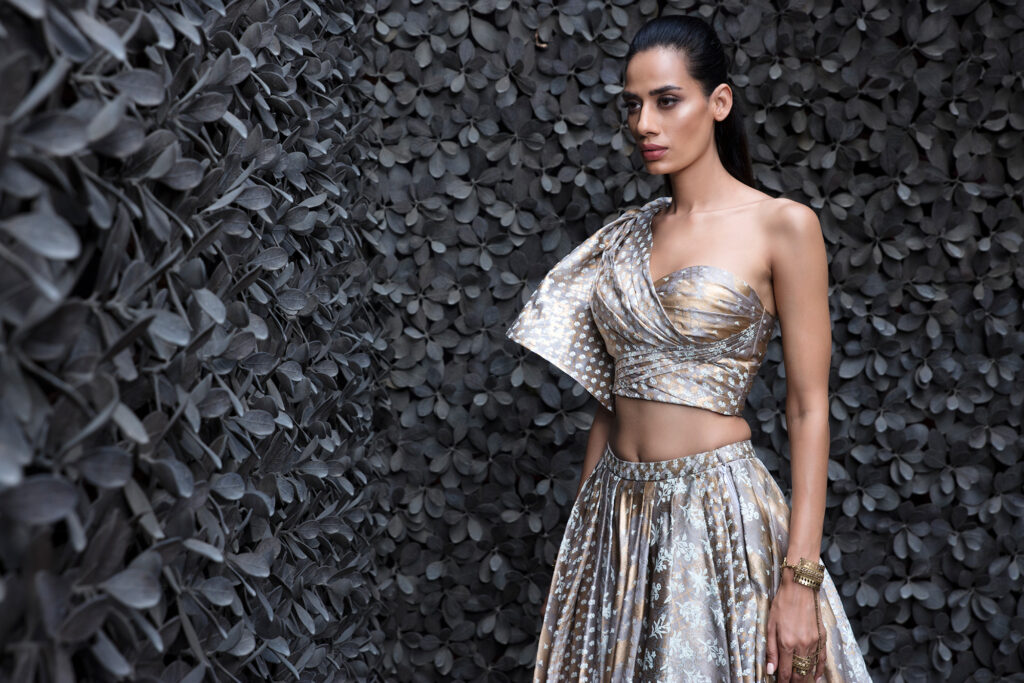
Mastering the craft of creativity, Valaya is looking at the future, with meta-luxury and an assiduous approach to design, with help from his talented stylist daughter Hoorvi By Asmita Aggarwal
Anatomy of Hope
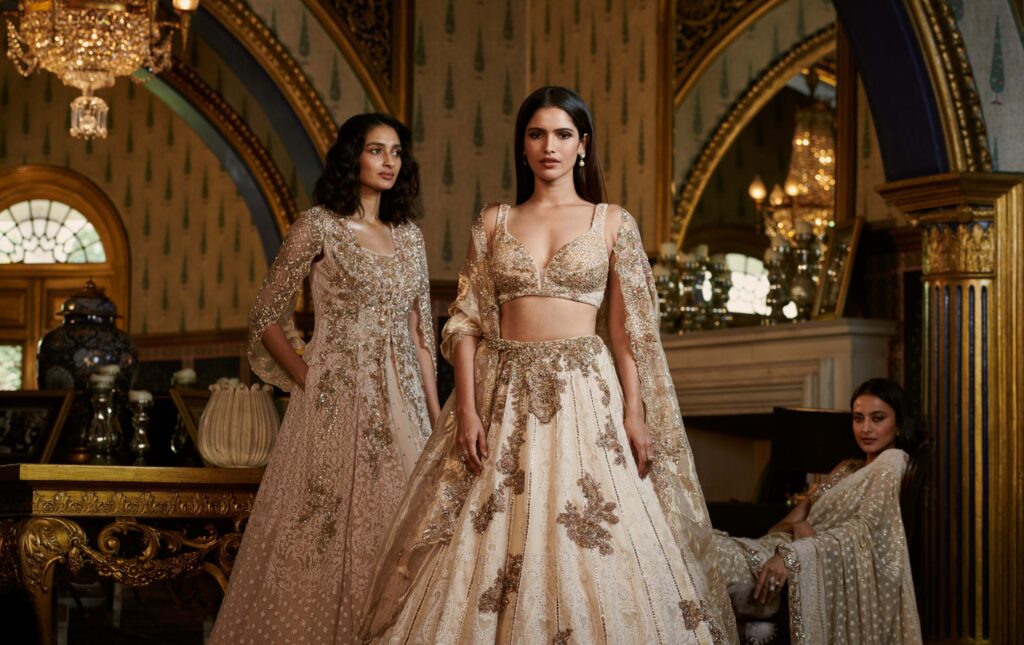
Rajamahal Palace, Jaipur, comes alive as Dolly J celebrates the inner strength of a modern woman By Asmita Aggarwal
The World without us
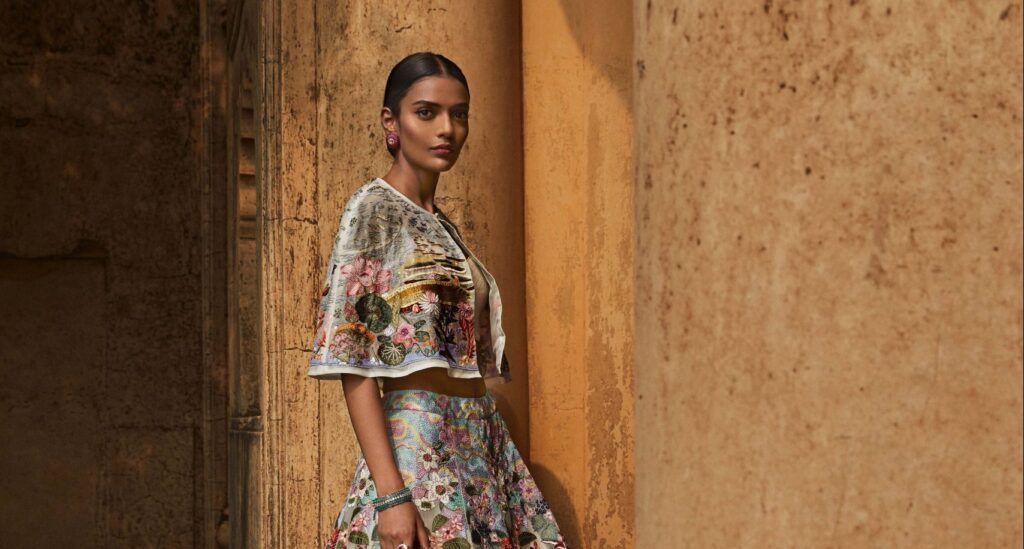
Lotus Pond becomes a potent metaphor in Rahul Mishras ICW 2020 line By Asmita Aggarwal
Shape of Water
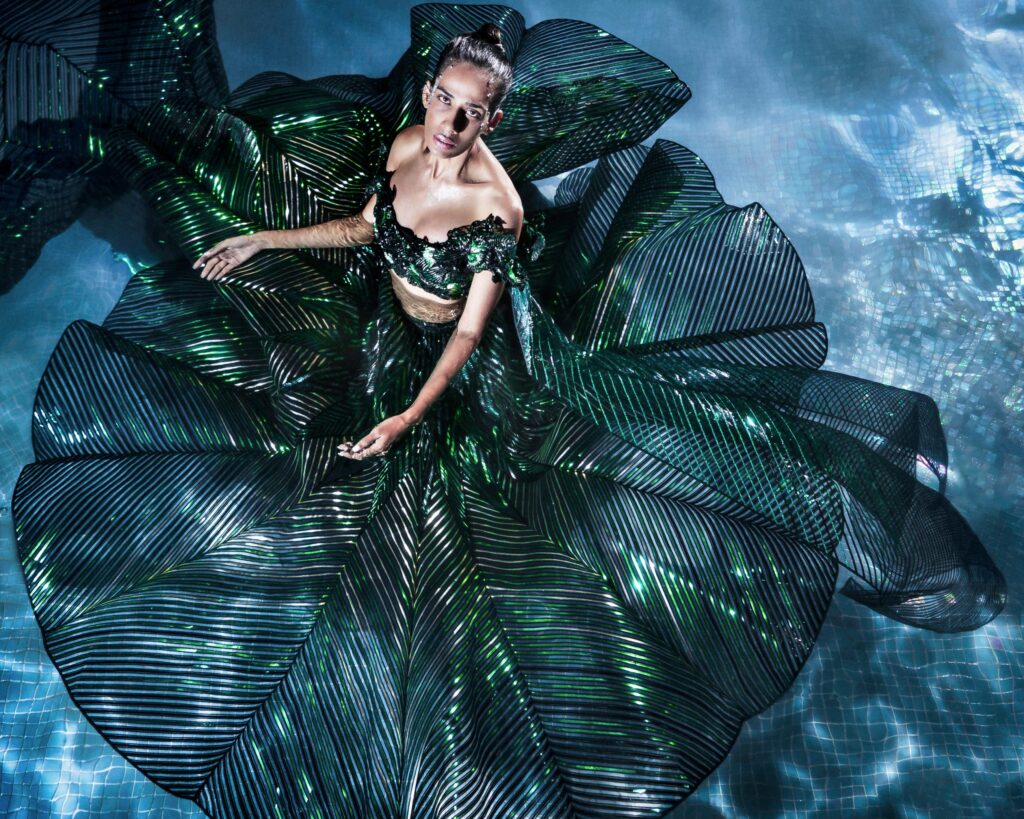
Shot underwater, Amit Aggarwal pays a tribute to an unfettered existence, with air light ensembles that beckon a time-tested palette By Asmita Aggarwal
Born to Shine
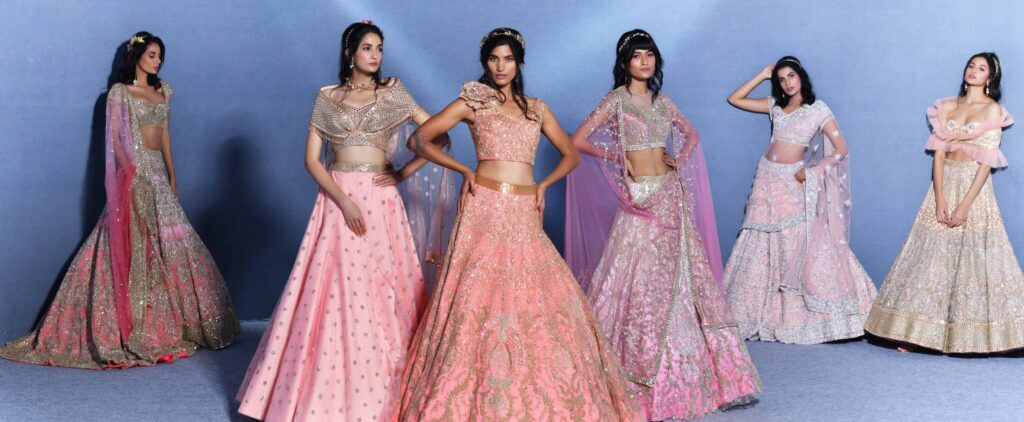
Suneet Varma celebrates the pronounced aspects of celebrations, with his unabashed ode to fantasy, hoping to bring back cheer. By Asmita Aggarwal
Live Beautiful
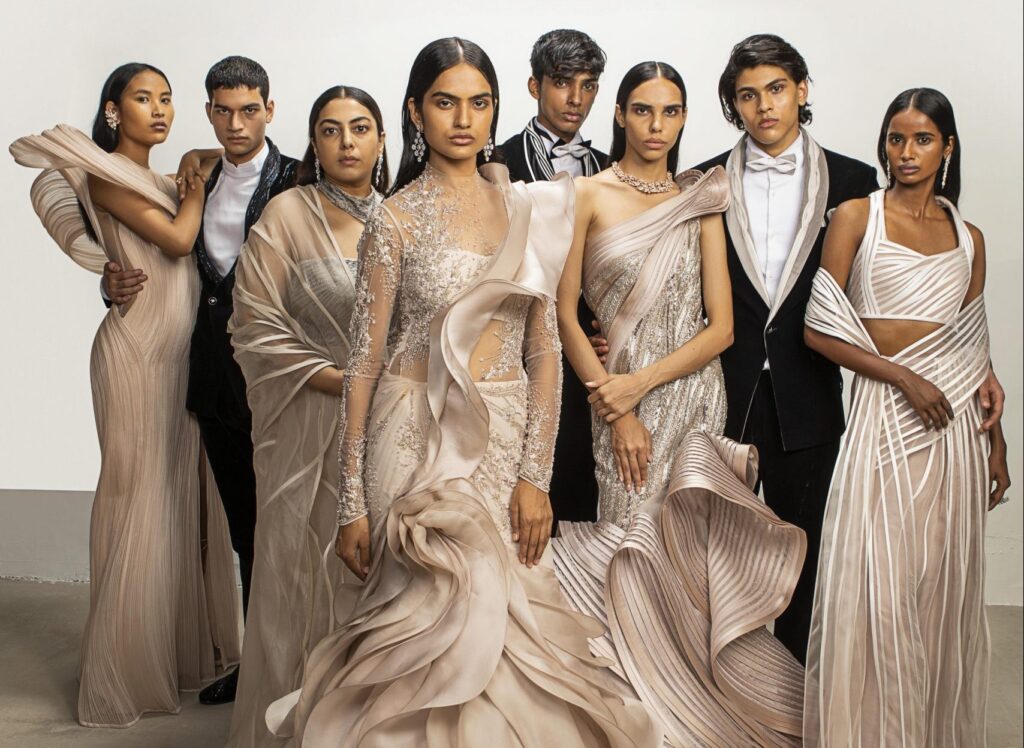
Despite the volatile churning of the world, GG gives a voice to those, who often go unheard in the deafening noise, making his theme inclusivity ricochet a bigger statement than his sculptural plinths! By Asmita Aggarwal
CELEBRATION OF THE NATIONAL HANDLOOM DAY

Some reminisces By Dr Sanjay Kumar Panda IAS(Retd), Former SecretaryMinistry of Textiles, Govt of India
TRYST WITH TEXTILES

A salute to the quiet warriors of handlooms artisans, as they add a human touch to our otherwise assembly line wardrobes, in a soulful celebration of handloom month by Asmita Aggarwal
North Star

Strapline: She is a P(h)D from JNU and has written a book High heels and Rainbow Hijaab, to be published at the South Asian department of Hamburg University. This political science professor is a new face for the runway! Meet the brightest on the block—Nancy Pathak By Asmita Aggarwal Tell us where you were you born and raised? I was born at Agra, but I was raised all over the country, as my father was in a transferable job. I changed 12 schools and then shifted my base to Delhi, for graduation that is why I had a very multicultural and liberal upbringing. What got you interested in fashion? Fashion was always a social observation for me. So my first interest in fashion rose when I realised in my teen years that fashion was power. All my friends, school mates, cousins, and even my sister were heavily influenced by fashion at the most basic level, at the level of body and biology. It wielded power over me as well. It started determining what I would like and not like about my body. How I would want my body to be and be presented in front of the world. That is when the nerd within me started looking at fashion as a weapon to gain social acceptance. What was your first exposure to fashion? My first exposure to fashion as a participant was when a friend started convincing me that I could actually become a plus-size model and that I should go for auditions. I had absolutely no expectations of the auditions. I was rather there to have fun and feel good about myself. But my selection in the auditions gave me a new confidence. I had been extensively reading on body politics and had written on gender issues in the past, for me it was an opportunity I had scored to work on the field now. Your parents are into academics, how did they react to your career choice? My father is a Judge and my mother is a homemaker, who devoted her life to the upbringing and education of her children. I come from an extremely academic family, so my deflection from core academics towards modelling came as a shock to them. They have always known that their child is unconventional and a rule-breaker, but this time I had really pushed the limits. It took me some time to convince them that my career in modelling was not taking me away from my academic pursuits in any way. Now they are making peace with it and showing some confidence in me. You studied in JNU, known for its intellectual prowess, tell us your experiences there? JNU is a utopia and a paradise of theories. It is actually how the society should really be, liberal, tolerant, open to ideas and opinions, respectful towards women and celebrating diversity. JNU was liberating. I wish society could be more like JNU. I did my master’s in Political Science and went on to complete my Ph.D. in School of International studies. My specialisation is on Elites, ideological state apparatuses, and propaganda as a means of legitimacy creation. Do your JNU friends turn up their noses when you tell them you work in fashion? Very interestingly, they have been proud of me and have applauded my efforts, but definitely, they do not see it as serious business and it definitely falls much lower in the ranks of activisms in their understanding. They usually do not see fashion as anything more than a system that objectifies and promotes consumerism, but what they fail to see is that fashion has a lot of cultural power. It can become a very effective instrument of mass change if used efficiently. Like most of the languages of masses discounted by academic elitism, fashion is also a very powerful language that academicians are yet to realise. You are writing a book on genders role in fashion, what prompted you to pen it? My book is on (re)claiming ones bodies through means of fashion. I had written on the question of gender in various international journals in the past. For all the genders, body and clothing become a very important part of the identity and the debate on their rights. I wanted to specially raise the question of the LGBTQ+ identity in the context of their religious and cultural rights, especially when the orthodox religion was not offering much acceptance to the community. Modernity and fashion became an important means to express their gender. But fashion also provided the scope of innovation to accommodate the expression of the religious and gender identity both at the same time. Hence the book got the title High heels and rainbow hijaab. It is under review at the South Asian department of Hamburg University and is expected to release by December 2020. It was the belief ingrained in me by my JNU teachers like Nivedita Menon, that academics is not just limited to classrooms, but must acquire some activism. My book and my participation in the inclusive modelling culture are all part of my activism for the inclusion of the invisible bodies. What changes would you like to bring about in fashion? Fashion has been a domain of cultural and capitalist elites for a very long period of time. It is high time that it becomes more representative. I would want fashion to innovate and provide space to the bodies which have been brushed under the carpet for so long and have been made invisible. Fashion has to change the common sense and acceptance that societies have towards bodies. I would like fashion to promote real bodies, specially-abled bodies, healthy bodies, bodies of all ages and all genders and the ‘invisible bodies’ in the public eyes. I would want it to shift from gender binary dressing towards a more rainbow spectrum of dressing. The change has already begun, we just have to prevent it from falling prey to a very objectified understanding of bodies. Fashion should no longer be about just
The Last Jedi

Dealing with a tragic loss to being a breadwinner Gunjan, is a force to reckon with. By Asmita Aggarwal She lost her father at 13, and had to move cities, Delhi to Jaipur, being the only child, she also had to quickly become the breadwinner, so Gunjan Hada Rajput, who is completing her graduation, is a girl who has faced many storms with equanimity. She started her journey in modelling with small pageants and supported her mother by taking tuitions during the day and finishing school work at night, making each day a fight for survival. I have done small odd jobs in offices as well as in educational institutes, saved money to learn how to operate computers and thought one day I will get a chance to really do what my heart desires, she adds. Making it to LMIFW as a fresh face could not be considered less than magic for Gunjan, who soon realised it was a well-paying job that allowed her to travel, and her mom, a housewife always encouraged her to do what made her happy. I never compromised on my studies, I am pursuing my graduation privately and keeping my eye on becoming Indias top model, she adds. Fashion comes with its own set of uncomfortable situations that Gunjan over time has learnt to manage, whether it is being weighed down by a 10 kg lehenga, but walking with confidence or feeling left out in a largely exuberant world inhabited by affluent, successful, well-travelled people… it affected her initially. Earlier I used to keep to myself as I felt intimidated and cornered, and would hesitate to talk, but over time, life is a big teacher and Ive learnt how to respond, she explains. Her favourites on the style map are Manish Malhotra, who is known for his vivacious ensembles and Rahul Mishra, who tells a story that tugs at your heartstrings with his environment consciousness and humble aesthetics. I would like to be part of their shows someday, she smiles. She hopes to be a supermodel and thats her ten-year goal, and at 20, she admires the Hadid sisters, Bella and Gigi, and the Indian model who she respects is Laxmi Rana. I supported myself my teaching small kids, and when they see me on TV and jump with joy, I feel I have made something out of my life, but this is just the beginning I hope that life throws some interesting surprises along the way, she concludes.