
Then and now with Ashish Soni
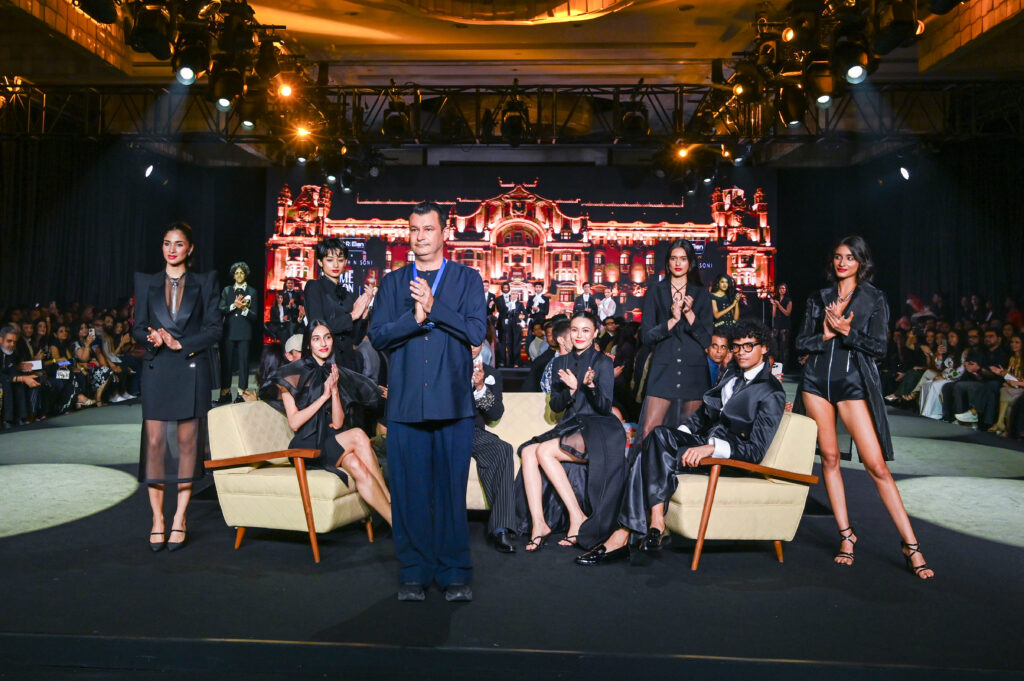
From trying to market the crisp, white tailored shirt in the 90s, to working with revered stylists like Deep Kailey, to now an entire collection with just black, Ashish is going back to his roots. By Asmita Aggarwal It was the year 2000, when India Fashion Week began at the Taj Palace hotel, IMG used to manage it, Ashish Soni was one of the few who was part of that exclusive community. This was 25 years ago, today tastes have been sharply refined, understanding is better. He may not remember his first collection’s name but he does recall he used denims, felt, and was told to follow the international calendar which works a season ahead. “There were only a handful of us, we had done trade shows, that’s all. Our exposure to fashion was going to Khan Market and buying American Vogue, as there was no real time coverage or social media chaos,” he adds, saying he could never make Indian clothes. The struggle was teaching the Indian audience that a crisp white shirt for Rs 5,000 can also be luxury, you do not need to wait eight days for an embroidered sari. “Newspapers and fashion weeks were instrumental in fueling growth,” he admits. Pushing the shirt, he added button hole details, cutting armholes innovatively unlike ready-made shirts, it was more of educating customers back in early 2000. His most memorable show was “Sounds of Silence” in 2004, he credits FDCI for the success, it put him on the path to fame, got invited to London and New York fashion week post that. “It changed my life, using Indian fabrics I crafted a global language. Borrowed from Kutch, Gujarat, a tribal blouse, he developed a woman’s jacket,” he remembers, and it sold almost 1,500 pieces becoming a bestseller. Learning from the most distinguished stylists Deep Kailey, who in 2008 was directing covers for Harper’s Bazaar and Vogue was an eye opener. His sales agent was Florence Duchamp who launched Comme Des Garcon and introduced Rei Kawakubo, “she told me the Indian wooden hand made button is too polished, stitch it on the wrong side; such detailing really opened my metaphoric third eye,” he admits. Just when he was planning to settle in the US the markets crashed, but he did live in London for two years managing a South African brand Vanessa G. He then decided the focus had to be India, and till today Ashish has archived all his key pieces effectively. He has a women’s vest framed, his first foray working with fake crystals (Swarovski hadn’t come in) and mesh that sold enormously well. This year with RRelan, he showed his finest—sculpted tailoring, pattern cutting, using sustainable man-made fabrics, wool blends, polyester viscose to poly linens that do not crush. The cool-tex he has worked with is super light, loosely woven crepes, super fine shirting, textured knits creating women’s jackets and pants. “We have done Indian embroidery using belt hooks recycled that came in the wrong size, vendor refused to take it back, so we embroidered them. A sculpted bandhgala and a sheer skirt, sheer kurta with a sculpted sherwani that’s what I feel works well,” he explains, this along with his quintessential tuxedos for women a la YSL style. “The spirit is very Diane Keaton, I know as a designer I must make myself relevant, so I went back to my roots. In the 90s when everything was maximalist I decided to stick to minimalism. Less for me is always more,” he says, adding, “This year the show was entirely black but 30 variations of it, adding both texture and character.”
Life comes a ‘Crcle’
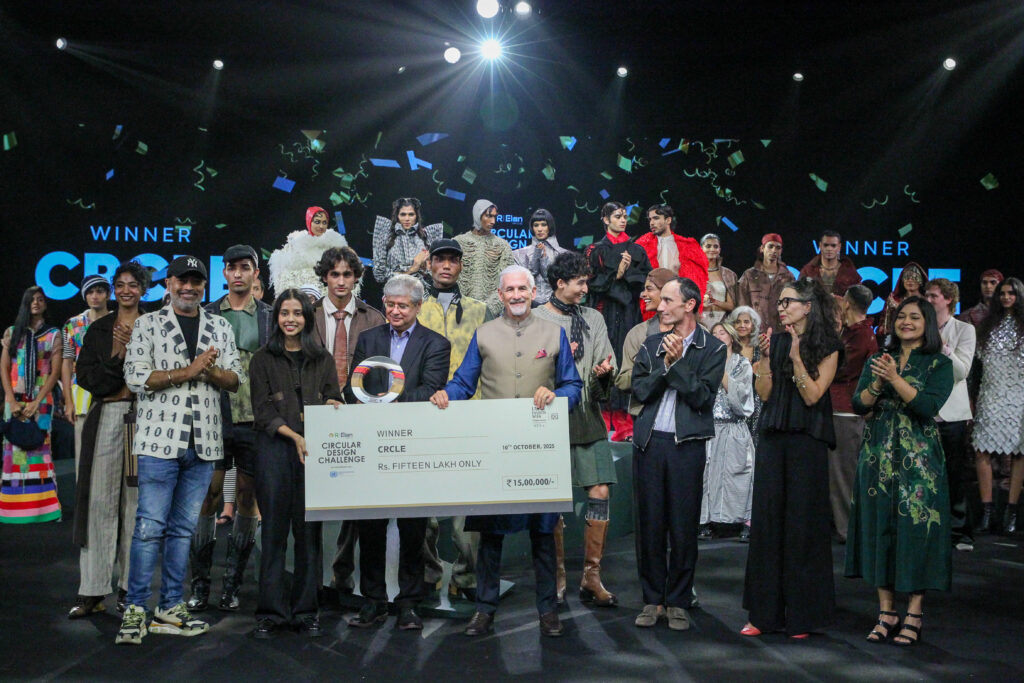
From Veganwool to banana leather, CDC finalist Varshne B is crafting a unique trek to not “save the planet” but give cool alternatives and watch out for her stainless steel bags. By Asmita Aggarwal Varshne B founded Crcle in 2024, born and raised in Chennai, after studying fashion design from NIFT, Chennai, she works with . She admits she loved two things—drawing and dressing up. Though growing up with no internet, only newspapers and few fashion magazines, she knew one day, she will close the proverbial “loop”, thus the moniker Crcle. “In college, I was alarmed at the waste fashion produces, I knew I wanted to do something in this field. Paulo Coelho quote rang in my ears— ‘Planet doesn’t need saving, we do’. It resonated with me and I decided to study design. For me ‘save the planet’ is a sign of human arrogance, we need to look within,” she explains. She began with weganool, 100 p c sustainable, zero-waste woven satin fabric, plant-based and a chemical-free, cruelty-free wool alternative from the Calotropis plant. She also works with banana leather. “Both are innovative and environmentally friendly materials, the latter is extracted from the banana plant, made from the stems and pseudo stems of the banana,” she adds. Way better than traditional animal and synthetic leather, though she also works with indigenous crafts like khadi, hand woven denims, and kala cotton. “We collect discarded materials from factories,” she adds. Like Balenciaga, she also has her version of the stainless-steel bag, refashioned from scraps and leather offcuts, sourced from metal units and leather factories in Chennai. She combines this with crochet, natural dyeing, and embroidery, “I like working with material innovations, converting leather belts into coasters, making a new version of lifestyle products,” she explains, adding, “we create unisex products, using natural dyes.” Mats are hand woven in Tamil Nadu, crochet from women’s groups, plus recycling waste through India Waste Group, where they collect studio waste, discarded pieces, and make something new with it. “Circular Design Challenge has given me this opportunity and I hope I can spread the message that we need to consume consciously,” she concludes.
Insta helps boost revenue, says Nikhil Mehra
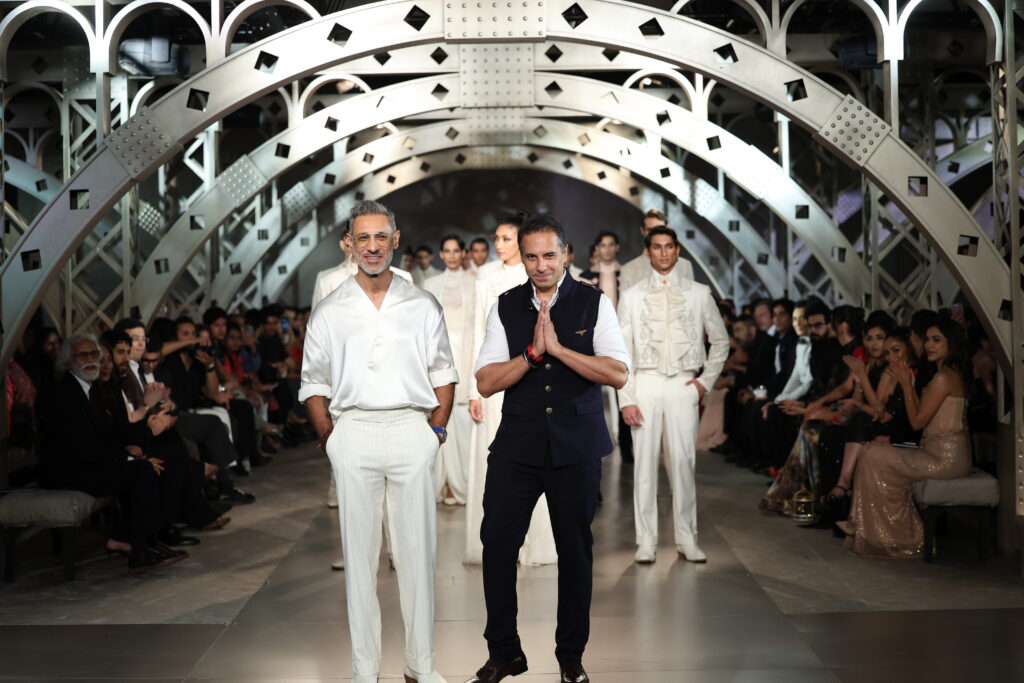
Gender fluid Shiva-Shakti has been a leitmotif for Nikhil Mehra as the younger brother in the duo Shantanu-Nikhil confirms menswear is where the real game is now! By Asmitaa Aggaarwal For 25 years now Nikhil Mehra, the younger sibling of the duo Shantnu and Nikhil has been on a trek, in the world of fashion, he calls it a journey of “self-exploration”. The focus has been on transforming men’s silhouettes, moving away from the idea that a man is simply a “caretaker’. “There is a sense of poetic femininity, where drapes are the mainstay. Women in S and N couture are portrayed as strong independent brides, rather than coy, not romantic so in some ways it has been a role reversal of sorts. “If you look at the history of couture it was considered the holy grail, unapproachable. Now for the last few years it is moving away from ostentation, display of wealth, with a lot more focus on experimentation,” says Nikhil. Maybe that’s why the obsession with red has dimmed, societal norms have been broken, brands are looking at watered down versions of couture—Anamika with AK-Ok and Tarun Tahiliani with OTT. “Less is more for us, we try to tell a story through minimalism, like our hand-crafted brooches, there may be a lack of abundance, but there is a definitive respect for crafts,” says Mehra. Though he questions, “just because it is $4000, should we say we have put 4,000-man hours making it? We don’t think like that? He works with sporty elements, as games is what keeps him going personally too, here too there is innovation—yarns are developed, mostly breathable knitted fabrics, wool blends. “Accessorizing has been a fun thing, so we channel military regalia, kamarband on shirts/sherwanis, merging two different worlds,” he adds. Nikhil admits post-colonization, we embraced colours vibrantly, as well as prints and refused to be cowed down by a Western aesthetic of black and greys. “Fantasy in fashion is before you are 22 years old, after running a business, you grow up really fast. The theme of Shiva Shakti, gender fluid has been constant in our lines, even as our brides have abandoned dupatta and decided to wear a lehenga with structured jackets, that she can wear with drainpipe pants later for a girl’s night out,” he smiles. Men have been neglected in fashion, he believes, so the brand took cognizance of it, “men are no longer a mere plus one, they have an identity of their own”. Pre-covid couture was only wedding wear, now it is about celebrating every moment, not just a D-day, anniversary, a personal milestone et al. “Paris Fashion week, celebs walked for Balenciaga, among others, so the showstopper is an important aspect, good for business. FB and insta generate revenue for us. People want to see what their icons are wearing,” he adds. His fav hues—dark navy and cherry, mix in this is deep emerald, slate greys and rubies. That’s why his line for ICW 2025 titled “Metropolis” serenades a global man, who takes his cultural identity with him. “We went to Moscow, St Petersburg, and Pitti Uomo, to Sardinia, a man now is unapologetically well dressed, he enjoys the process. That’s why menswear is more potent now than ever before,” he says. Vivan Mehra, his son, is now gearing up for Emerson college Boston, in filmmaking and acting, so like all doting fathers, Nikhil believes he gets this talent from his mom, Vidushi, a theatre actress. “I knew he was not going to study accounting or engineering, rather performing arts was calling. It was a toss up between football and acting, the latter won. In fact Karan Johar told him to watch a lot of Japanese films, watch finer nuances like lighting to understand 70 MM world,” he concludes.
Artist at Work
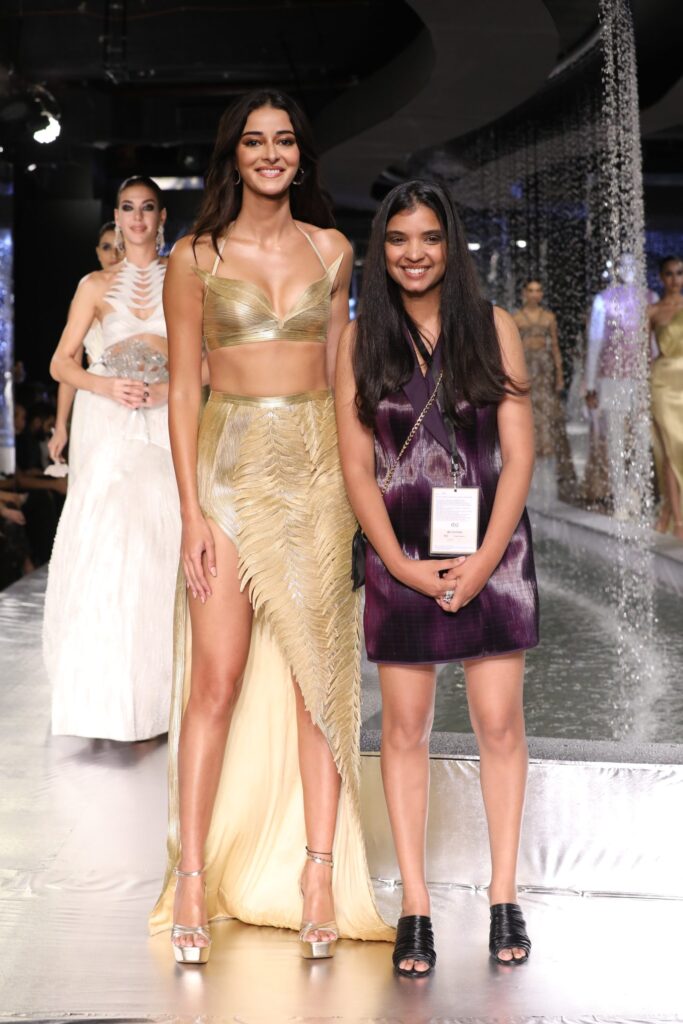
No artificial intelligence here, just plain, old techniques that still capture the essence of luxury, controlling materials which have a mind of their own is Rimzim Dadus specialty. By Asmita Aggarwal
Layering Thoughts
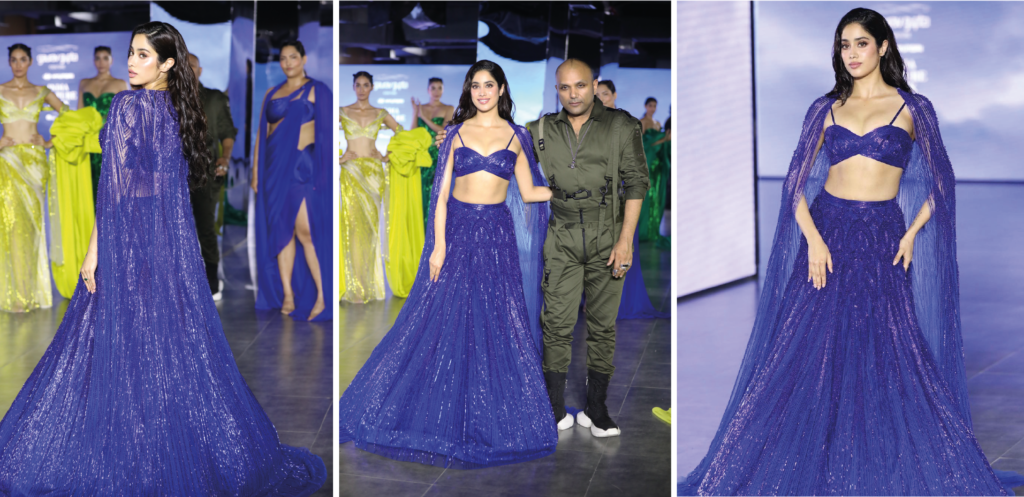
Vedas to swishing sculpted gowns, Gaurav Gupta can make the twain meet, just like his showstopper Jahanvi K., whos hybrid heritage makes a winning statement. By Asmita Aggarwal
Gentlemens Code
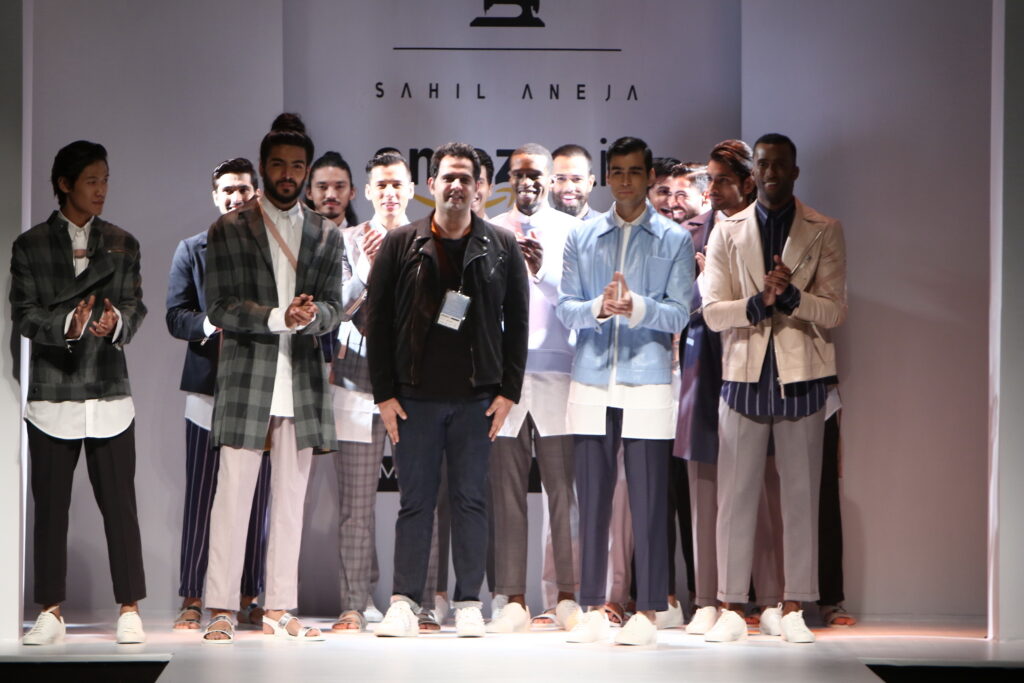
Sahil Aneja takes adds street iconography to the generally studied menswear By Asmita Aggarwal
The prodigal son

The shirt fuses seamlessly with the eponymous jacket in Dhruv Vaishs SS 17 line. By Asmita Aggarwal
Whatever You Say
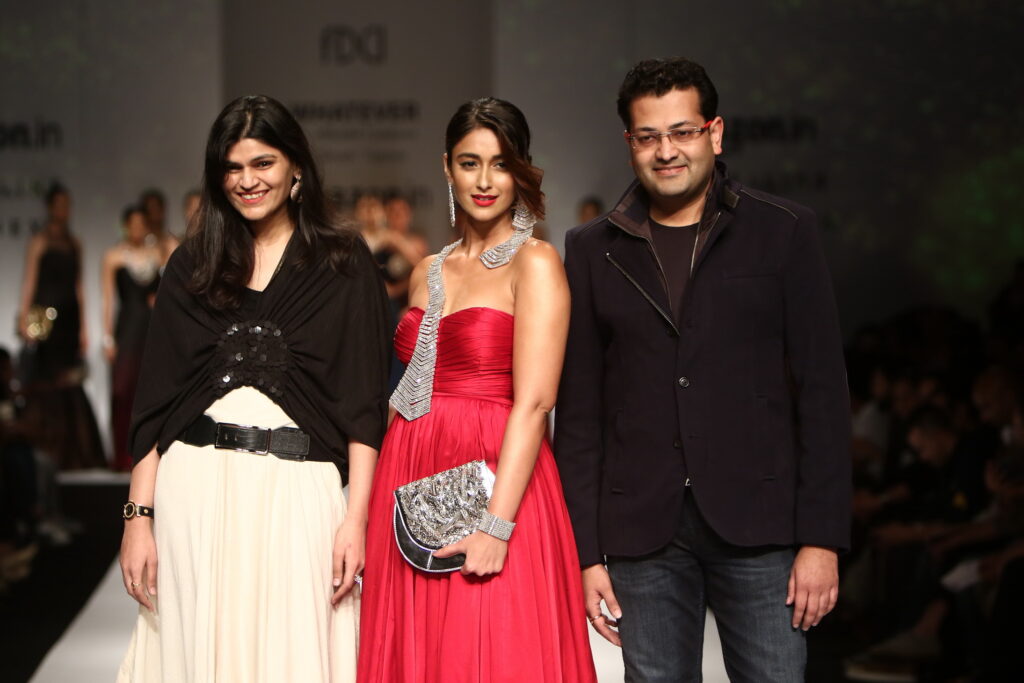
London School of Economics major Abhishek Kankaria teams up with college buddy Shrruti Tapuria to design a range of bags and jewellery. By Asmita Aggarwal
Au Naturel

Mogachea creates new textures in the print-obsessed fashion world, as Goa-based Tania Fadte keeps it simple By Asmita Aggarwal
Dernier Cri
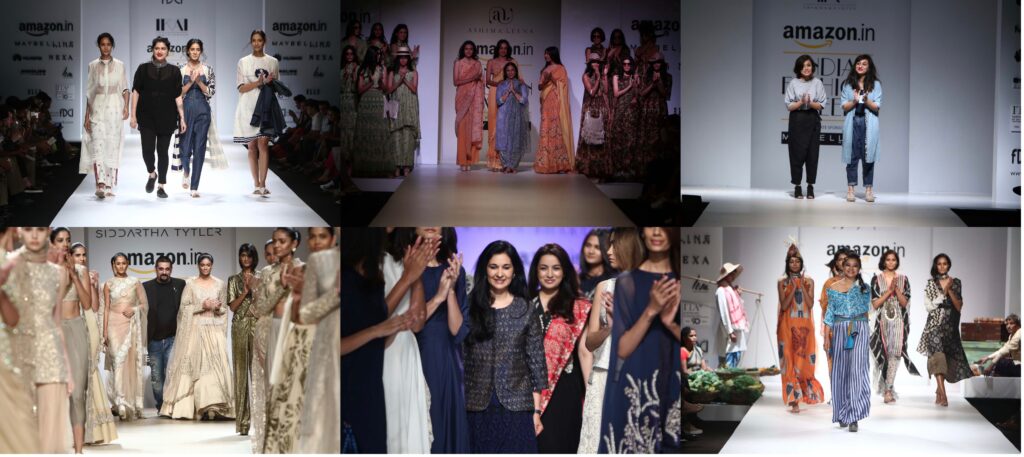
A wave of realism sweeps the catwalk as a garden of blooms welcome the advent of SS 17. Ilks paper-like blouses were to die for and Kavita Bhartias lace was prolific despite conventional silhouettes, while Tytlers gold rush kept it sparkling! By Asmita Aggarwal