
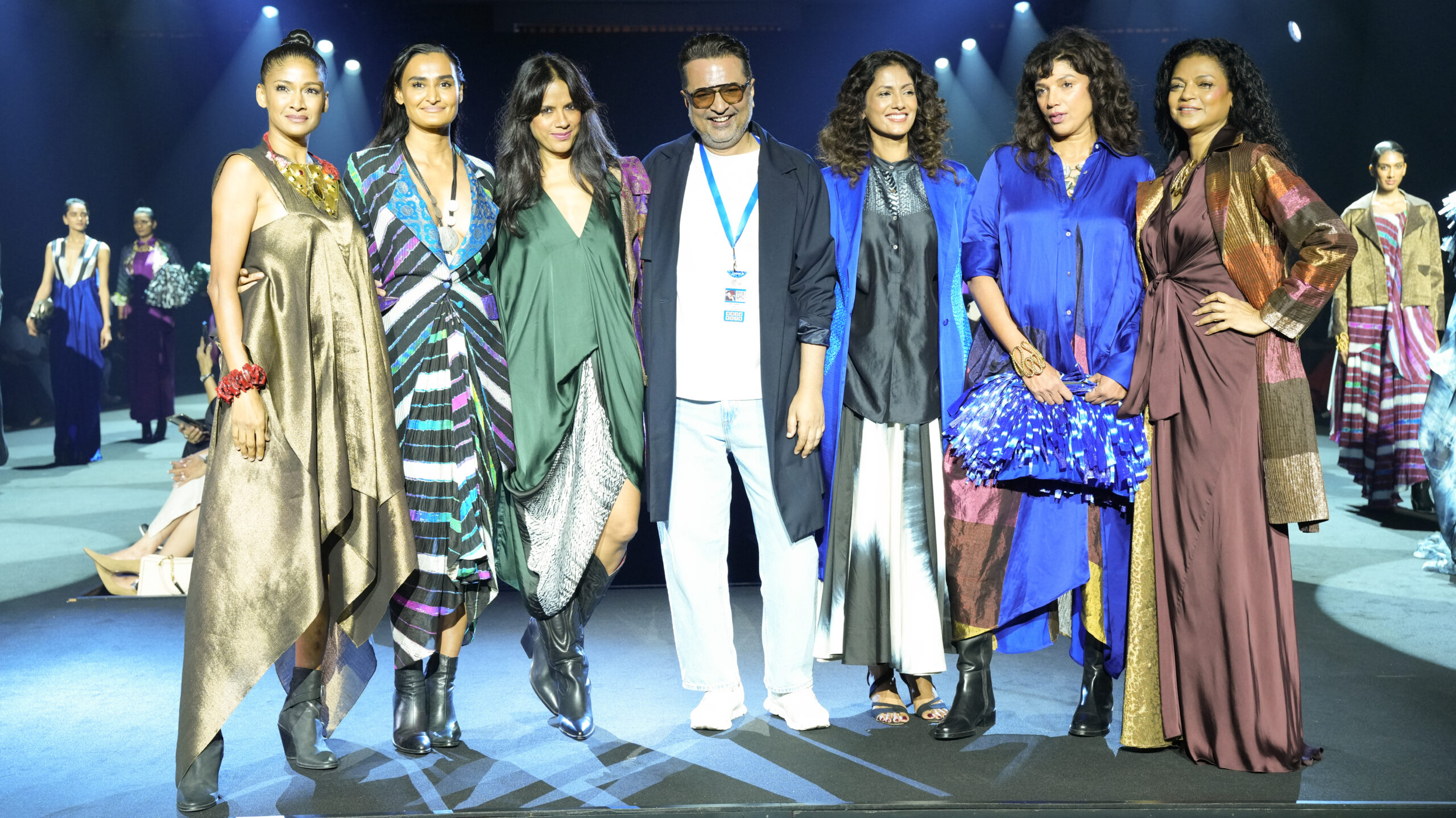
PR exercise is not always fruitful, as brands are not built on celeb dressing, but unique ideology, says Amit Hansraj of Inca.
By Asmita Aggarwal
“If Sonam Kapoor wears your label doesn’t mean you have arrived”, his point of view is refreshing, maybe because after 20 years in the business of fashion, he realized what really holds value. Amit Hansraj launched Inca, knowing the struggles of young brands, they get trapped in PR exercises, “make this celeb wear our outfit, send free clothes to this TV star” but this is not how brands are built according to him.
In 2000 he started supplying to stores like Ogaan and Ensemble, though he had worked with Ritu Beri for six years, Amit Aggarwal too, decided he didn’t want to be an “Instagram genius”. “People who consume fashion are not scrolling Insta, influencers who ask you for clothes will never come and buy your outfits. You are basically not gaining anything by listening to PR demands. Rather relationship building works, a woman who is running a business will not be wasting time on social media. She will need clothes, and will come if you offer her quality,” he adds.
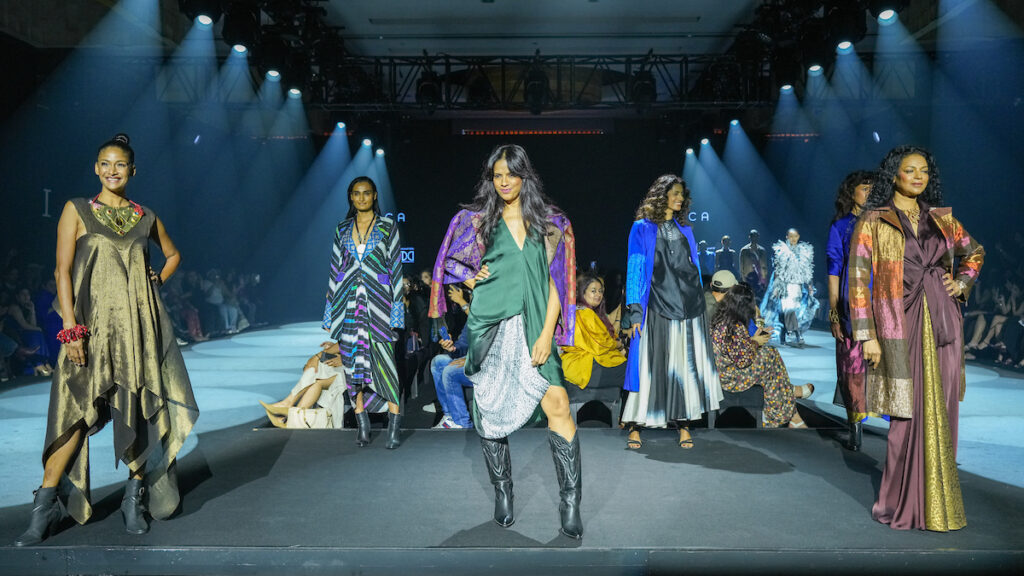
Interestingly, he admits, Inca his brand is an exercise in “self-indulgence”, he does one size clothing, this time he added a bit of structure. “I love reversible things, like my jackets, traditional Leheriya got new colours, broke the lines, added vintage textiles, mixed it up. Then we added animal prints with hand blocks, which added depth. I do not like flat clothing,” he adds. His show had 90s supermodels—Carol, Indrani, Nyonika, Sheetal, all the beautiful women he wanted to dress when he began his career, today he got that opportunity.
He is clear he does not want to put craft on a pedestal, but make it a day-to-day outfit, not something like your mom’s Banarasi sari lying buried in her cupboard. “Let me tell you something, craft clusters have been monopolized by big designers, they don’t entertain smaller designers. They want to work exclusively with them, all year round, there are many hidden challenges for young brands,” he confesses.
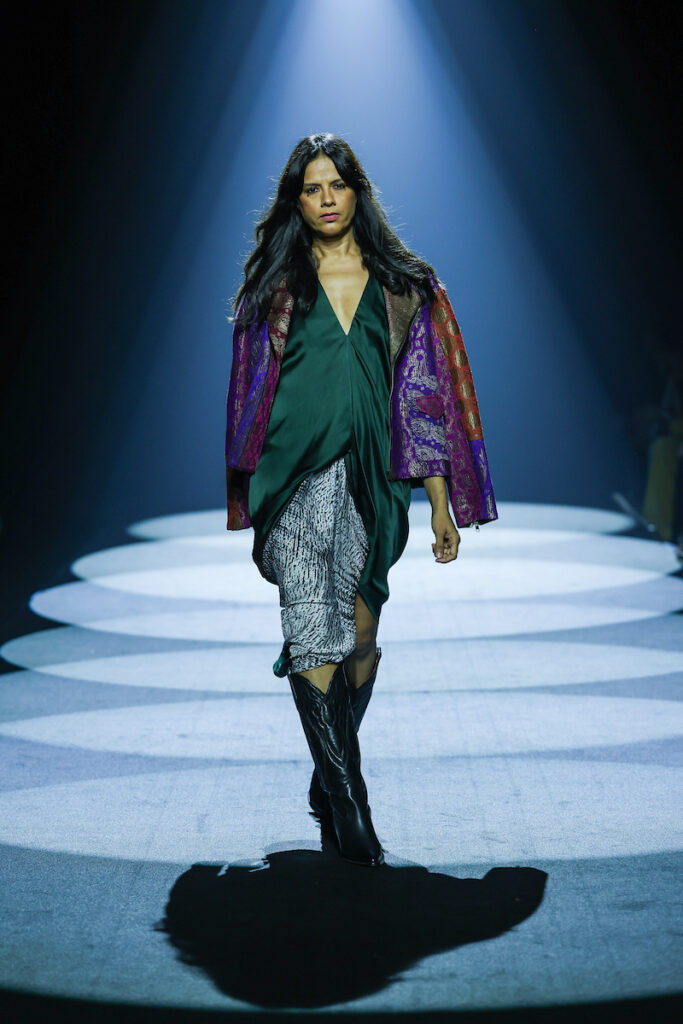
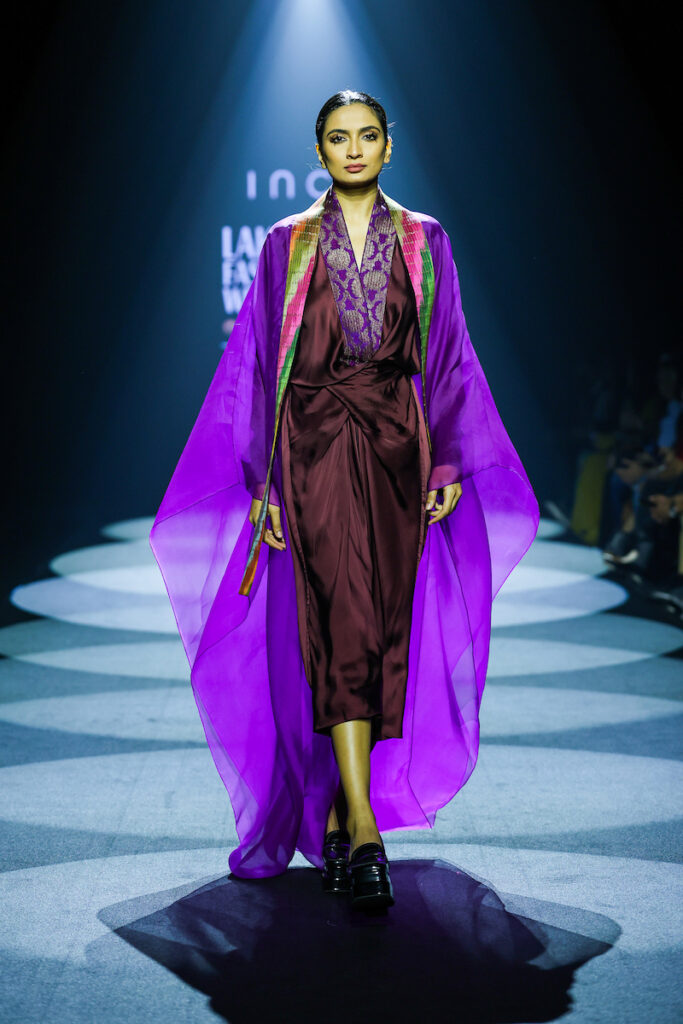
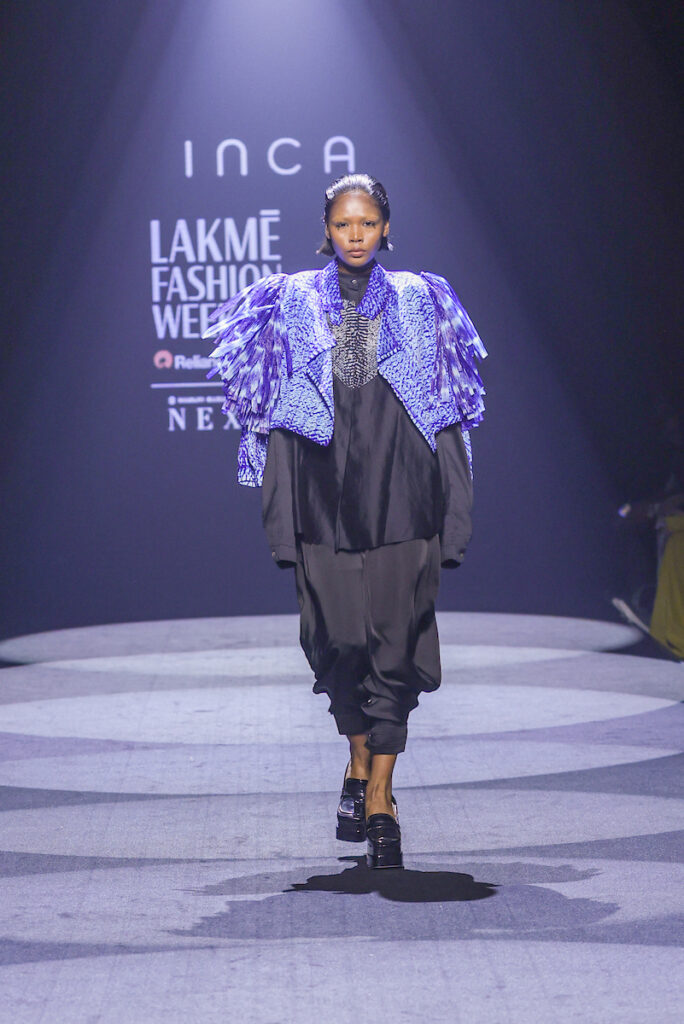
Amit decided to do Kantha and Shibori his own way, with untrained women. “I love imperfection. I know many who digitally print Shibori, which I feel is reprehensible,” he adds. He does not want his clothes to look “crafty” this year, to accentuate his look, he began experiments with brass jewellery, made an exaggerated version with doris which he tie-dyed. “Used raffia, it is sturdy, as I didn’t want to use feathers, we revved up our jackets, it was the third element,” he adds.
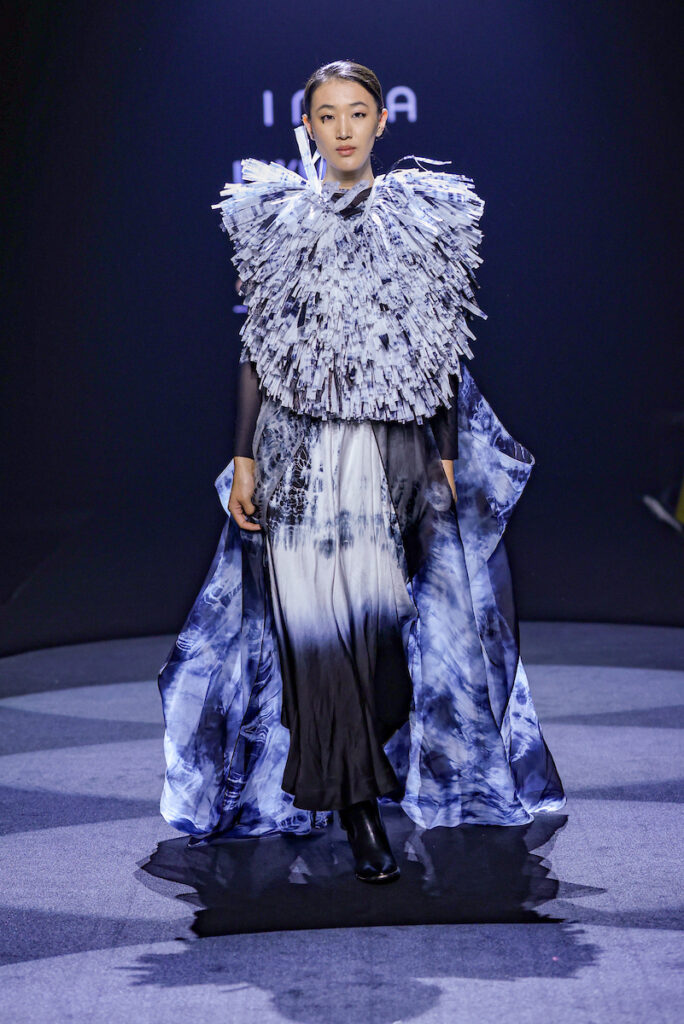
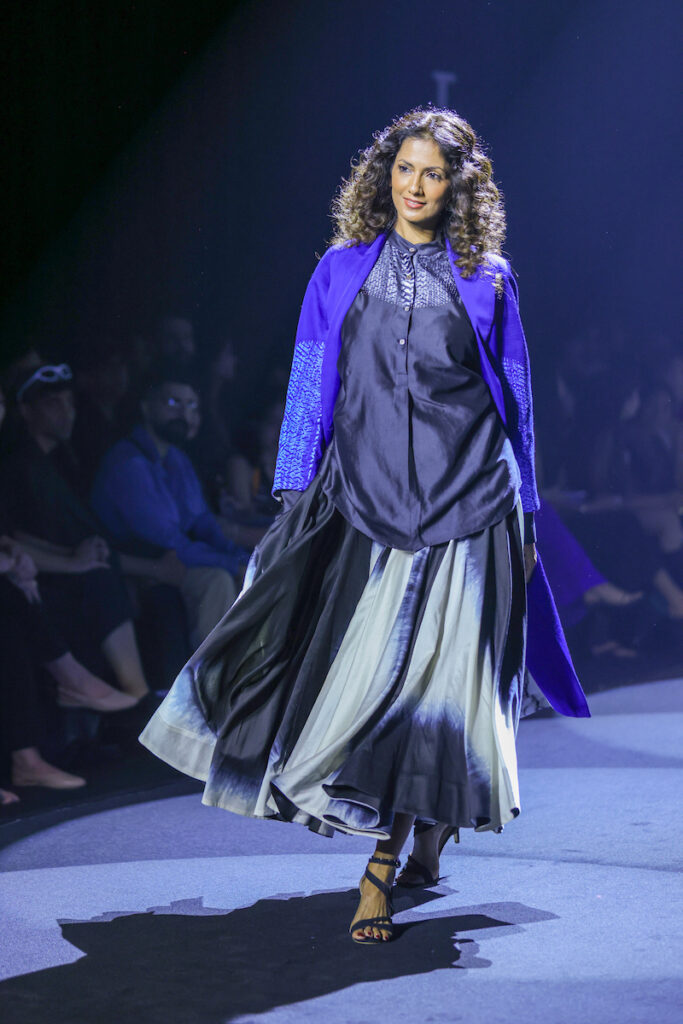
A big believer in “authenticity always works”, even though his Shibori is “made my own way, it looks real to me,” he explains. Dots, cutting in semi circles, is what fascinates him, especially what Carol Gracis wore. It is not size specific, cut on a bias, and takes the shape of the wearer’s body. “I am a textile addict, so Chanderi, linen and silk, organza is what works for me,” he says.
After 40 years he admits, he knew his aesthetics even though it is an evolutionary process, “I followed what came naturally to me. Who knows maybe I will do bridal one day, like I dabbled in home and accessories,” he concludes.