
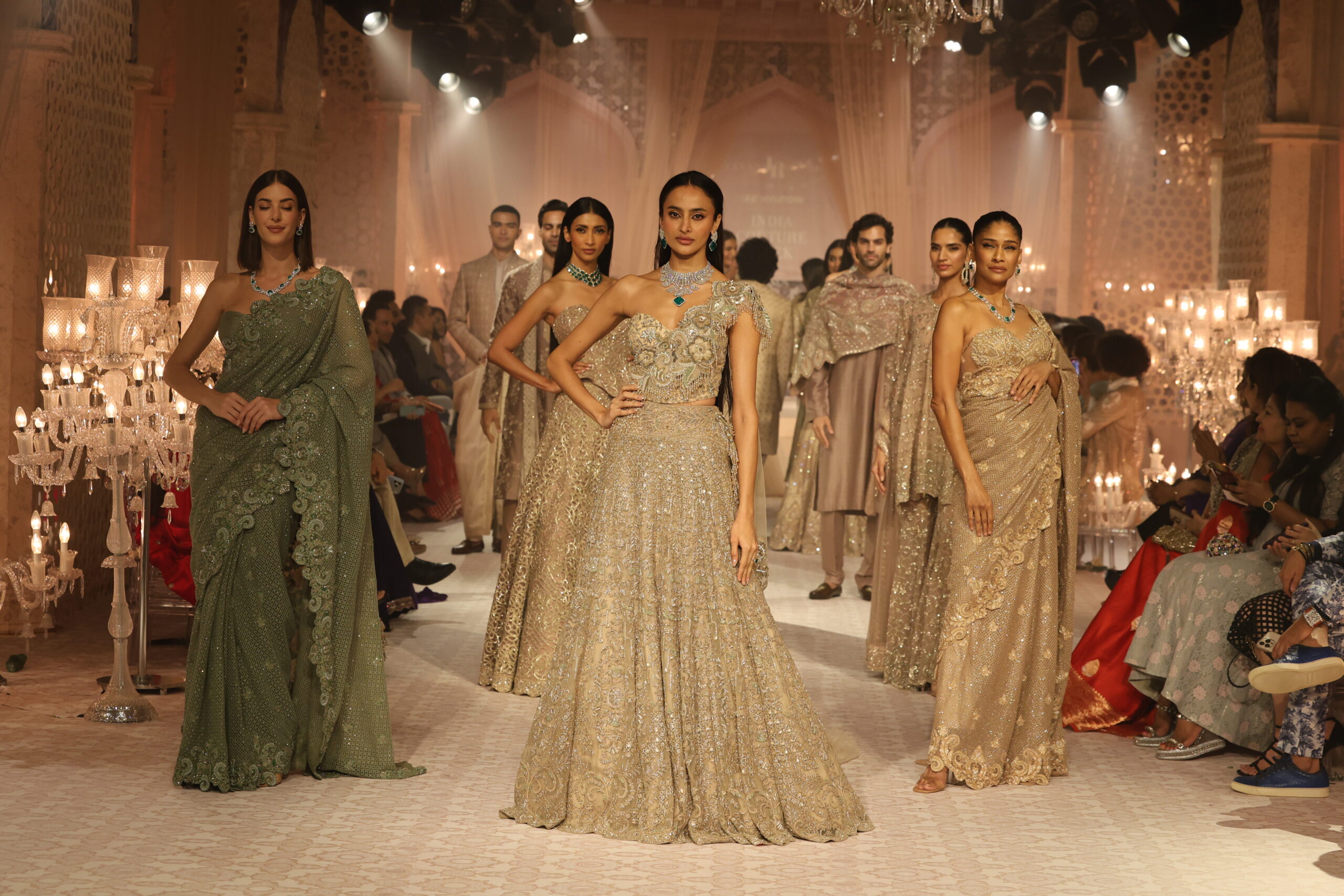
Jayanti Reddy believes good tailoring can be just as luxurious as heavy embroidery, balance is key, as she uses lighter base fabrics and strategic embroidery placement to offer brides unlimited comfort.
By Asmita Aggarwal
Hyderabad-based Jayanti Reddy has a sense of humour- despite being ferociously private, she says people assume “I’m constantly working or thinking about designs, but that’s not true! I’m a mom to a 4-year-old, that problem keeps me busier than couture does!”
People rarely remember every embroidery detail—but they end up remembering how they felt, that’s how couture becomes part of family memories and milestones. “It’s something that’s preserved, not just worn once, that’s what makes it so special,” says Jayanti, who is known for her roomy shararas now a part of every modern bride’s to-buy list.
Jayanti completed business administration and marketing from Case Western Reserve University, Ohio. She believes the biggest lesson she learnt coming from an established business family is that your reputation is everything. “Always deliver on your word. Relationships with clients matter more than quick wins. Stay grounded, no matter how much you grow,” she adds.
The often-asked question is how every region has its own design language, but she believes both South and North have valued textiles and heirloom craftsmanship. “They just embrace grandeur and occasion dressing differently, Hyderabad has definitely evolved. There’s a younger, global client today who appreciates quiet over loud luxury,” she explains.
Couture is made to last—not to be discarded after one season. Jayanti repurposed leftover textiles and embroideries across collections. “I believe longevity is the biggest form of sustainability. Luxury isn’t about ‘more’, but thoughtful decisions and beautiful construction, comfort and craftsmanship. Something you’ll still love 20 years later,” she says.
After 15 years she has understood failure doesn’t mean you’re not talented. Fashion is as much a business as creativity, learn from what didn’t work. Resilience is probably the biggest competitive advantage.
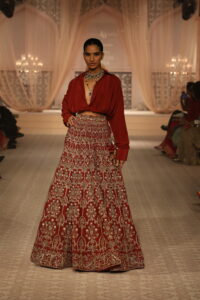
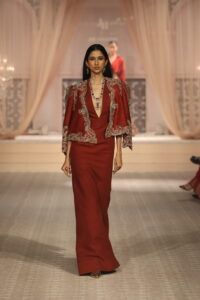
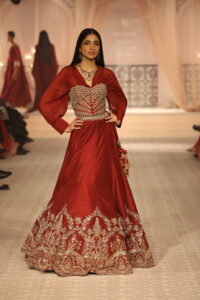
“My first show ever was at Lakme fashion week, Mumbai. I remember being far more nervous than excited. It was rooted in Indian textiles and craftsmanship. Looking back, I can see how much my aesthetic has evolved,” she confirms.
She believes her contemporaries are doing well as there is a space for everyone to grow—Karan Torani is an incredible storyteller, has a strong brand language. Aisha Rao’s beautiful use of colour and prints, while Punit Balana brings fresh perspective and youthful aesthetic. “Banarasi has always fascinated me. We’ve worked with brocades, tissue, silks, zardozi, aari, dabka, naqshi and more. I enjoy taking traditional textiles into unexpected silhouettes. It’s about evolution. And this is what helps moving tradition forward,” she admits.
She has admired legends, craft couture over the years- Tarun Tahiliani for his drapes, construction and timeless elegance—he’s influenced generations of designers. “Gaurav for pushing the boundaries of couture. His sculptural silhouettes, innovation and ability to blend art with fashion are truly remarkable. And I have to say, Manish’s ‘Maa’ collection left me completely in awe. It reminded all of us how powerful couture can be when vision and execution come together,” she adds.
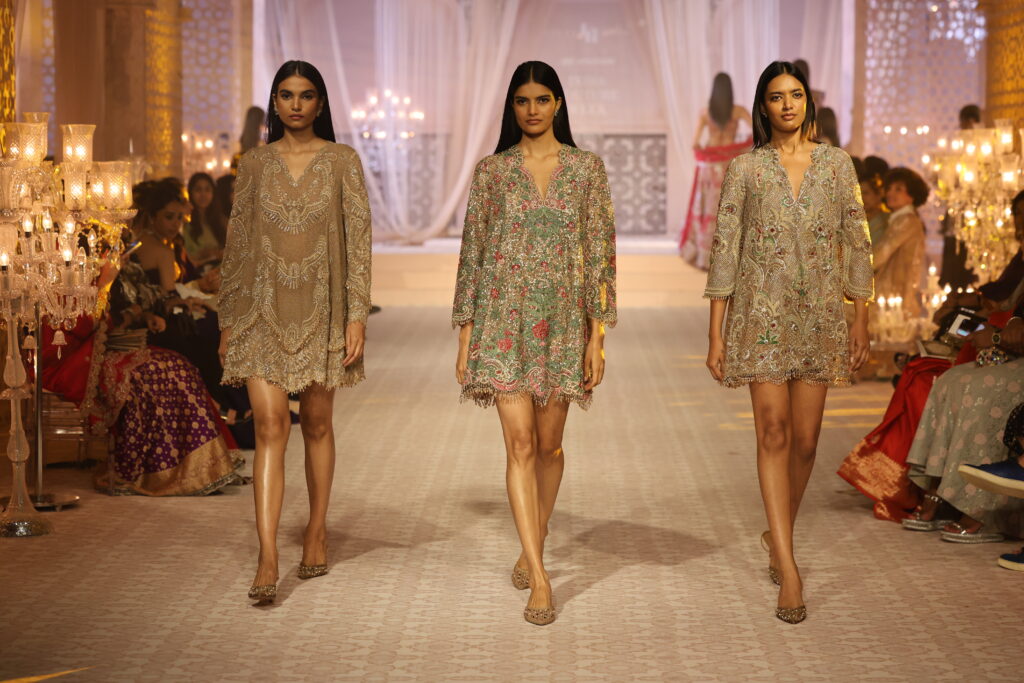
Men are the new adventurous lot and far more involved. They know what they like, they’re experimenting with colour and layering. Comfort is becoming just as important. They’re dressing for themselves, not just the bride, is the subtle difference she has observed. “This ICW there will be more structure, new layering, softer but stronger silhouettes,” she says, adding, heavy doesn’t always mean luxurious. Sometimes less is actually more. “Good tailoring can be just as luxurious as heavy embroidery, so I’d say balance is key.”
She has used lighter base fabrics and strategic embroidery placement. It’s about celebrating Indian craftsmanship in a modern way. Looking at heritage through a contemporary lens. Biggest regret? “Not delegating earlier and trying to do everything myself. You build a stronger brand when you build a stronger team. Trends shouldn’t define couture. The best couture becomes an heirloom,” she concludes.