
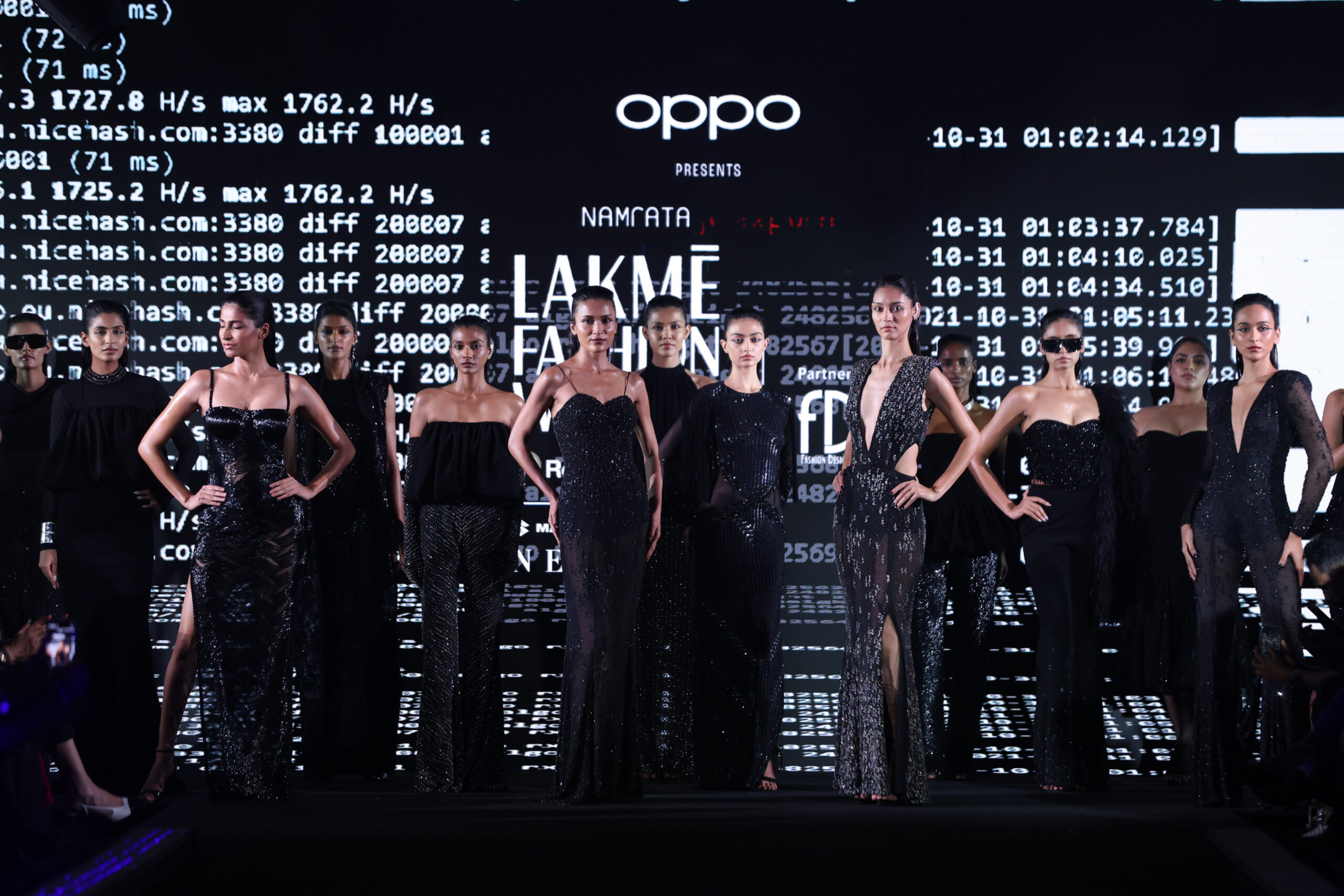
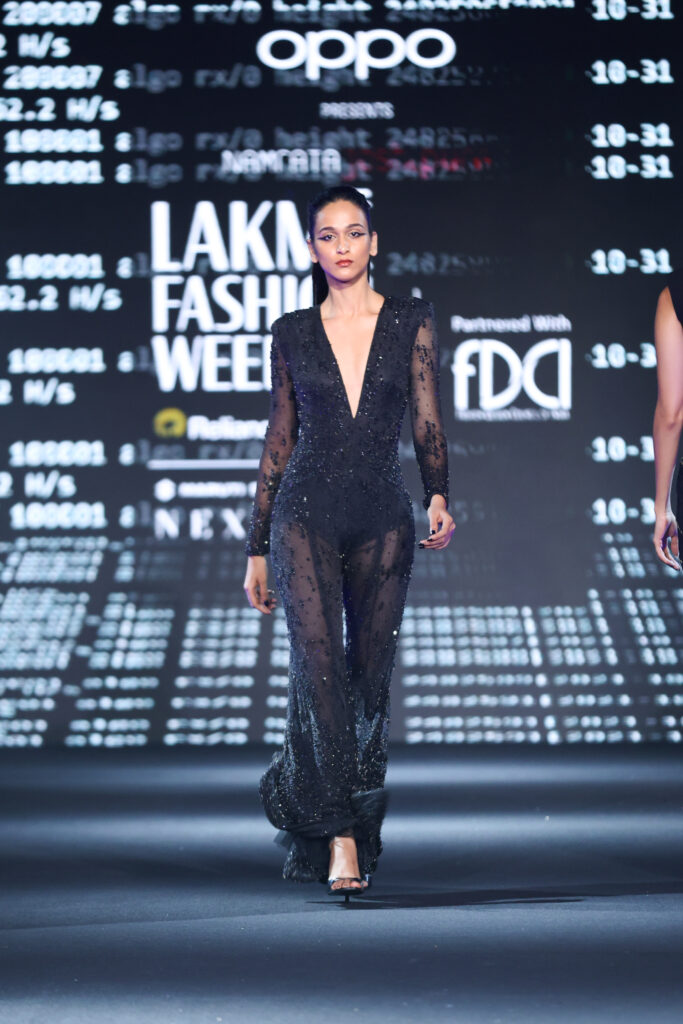
From jumpsuits, pre-draped saris, bodysuits, threadwork in sporty aesthetic, Namrata Joshipura tells us real clients are now in tier 2 and 3 cities who love to try bodycon embracing their bodies wholeheartedly.
By Asmita Aggarwal
When there is a fashion show at every event, what is the relevance of fashion weeks? Are they necessary? Namrata Joshipura who began 24 years ago, after NIFT Delhi (1994 batch), believes they are, “it is important to keep showing” maybe that’s why she offers something that cuts across all age groups. Her signature is the NJ jumpsuit – sporty, contemporary and can be worn by intrepid women from 20 to 50s. “It got associated with me by default. When I design something, I offer a complete look, never targeting a specific client base,” says Namrata.
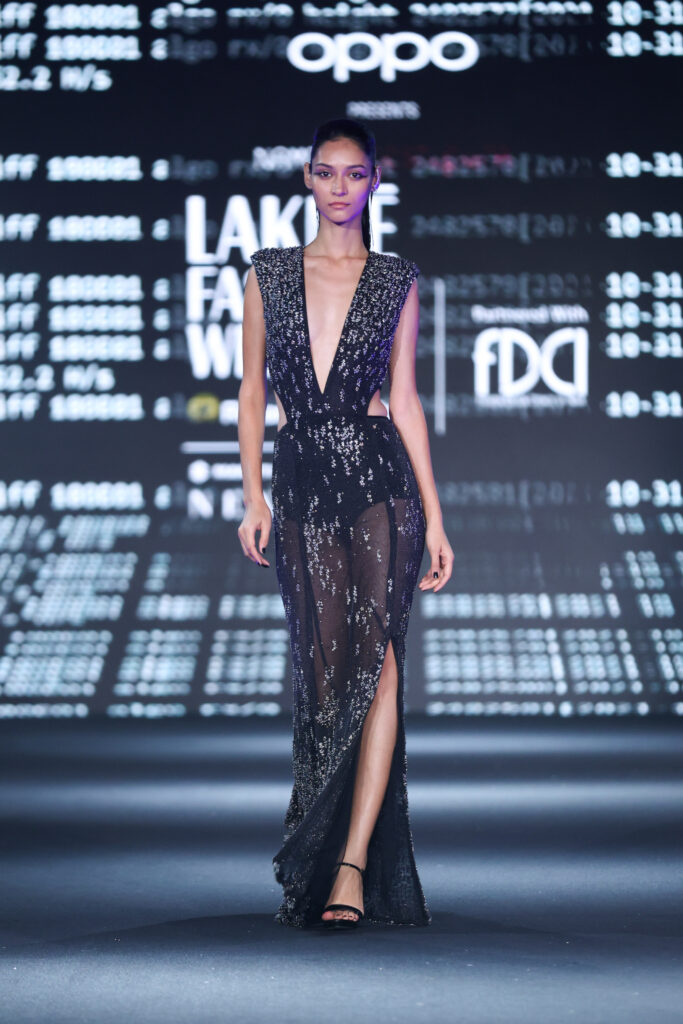
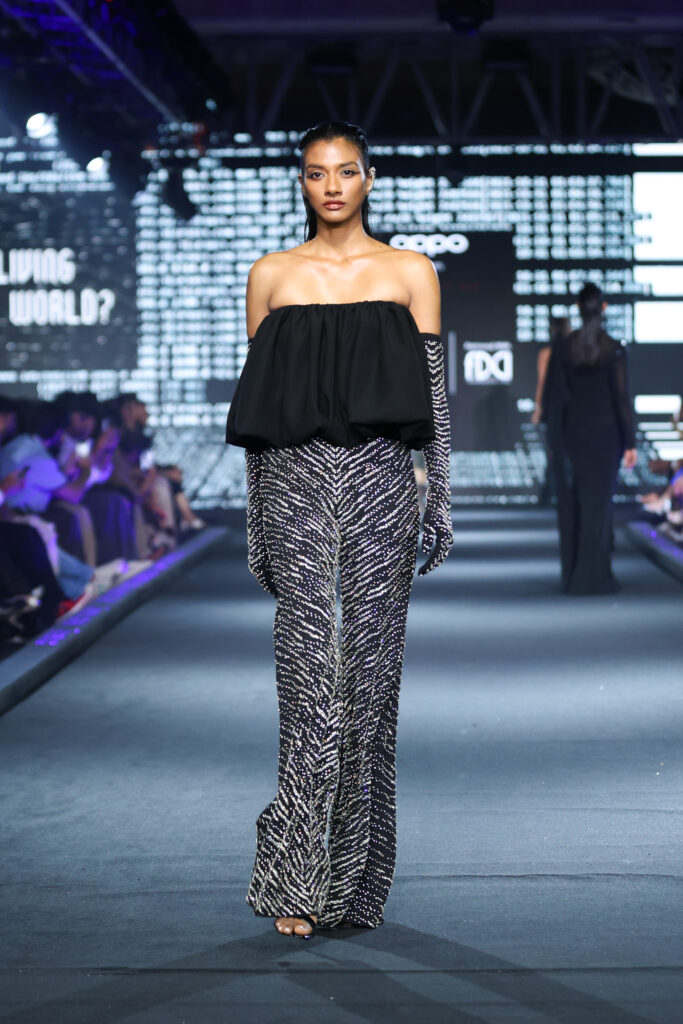
Her first ever line titled “Nocturnal” there is still a poster of it in her factory, the year her daughter Ananya was born. Her first LFW was in 2004, serendipitously she showcased with Sabyasachi Mukherjee. “Sabya was fantastic, it was his first vintage inspired line in a two-designer show at LFW. Suneet Varma, where I worked with after I graduated, showed me the ropes for two years. I still admire his embroideries. My vision was luxe pret, unfortunately no one understood it back then,” she says. In a market flooded by salwar-kameez, in the 90s, Namrata did tops tunics, shirt dresses, separates, a concept alien to most buyers.
Even when she does a festive line, it is minimalistic with Chintz to tie and dye traditional in soul, but armed with a distinctive modern vibe. “In Mumbai almost two years ago I did a show with bodysuits and pre draped saris, it did well. Though in 2004, we retailed from Carma, the multi designer store, fashion was aspirational for a select few, now you have clients from Bhubaneshwar, Moradabad, Gorakhpur. With increase in disposable income, they want to express themselves with natty clothes. Fashion is far more democratized now,” she explains.
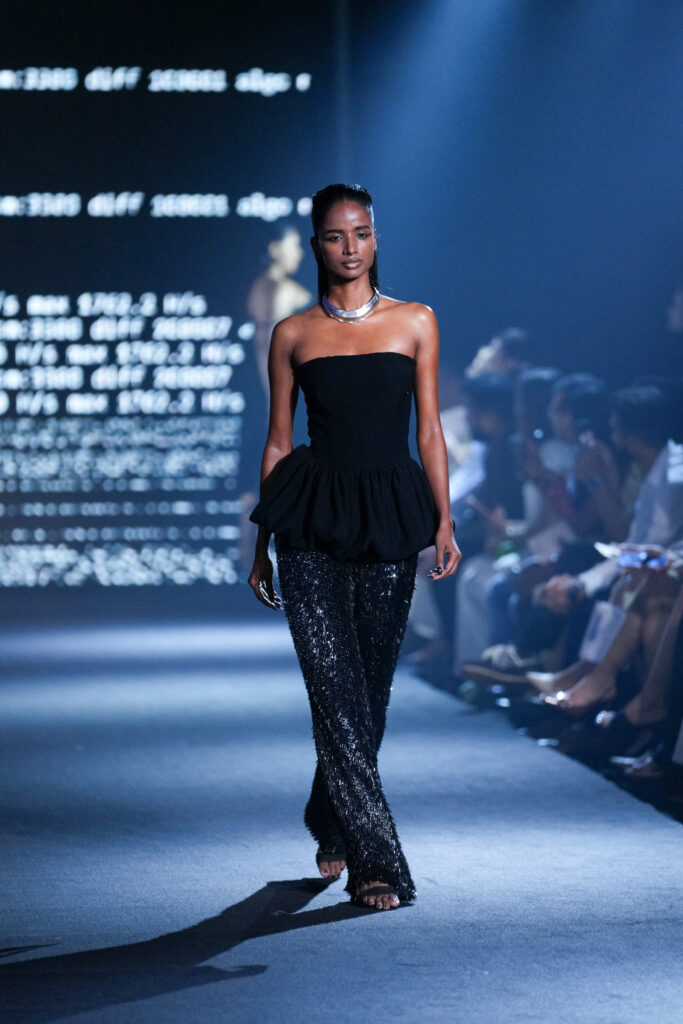
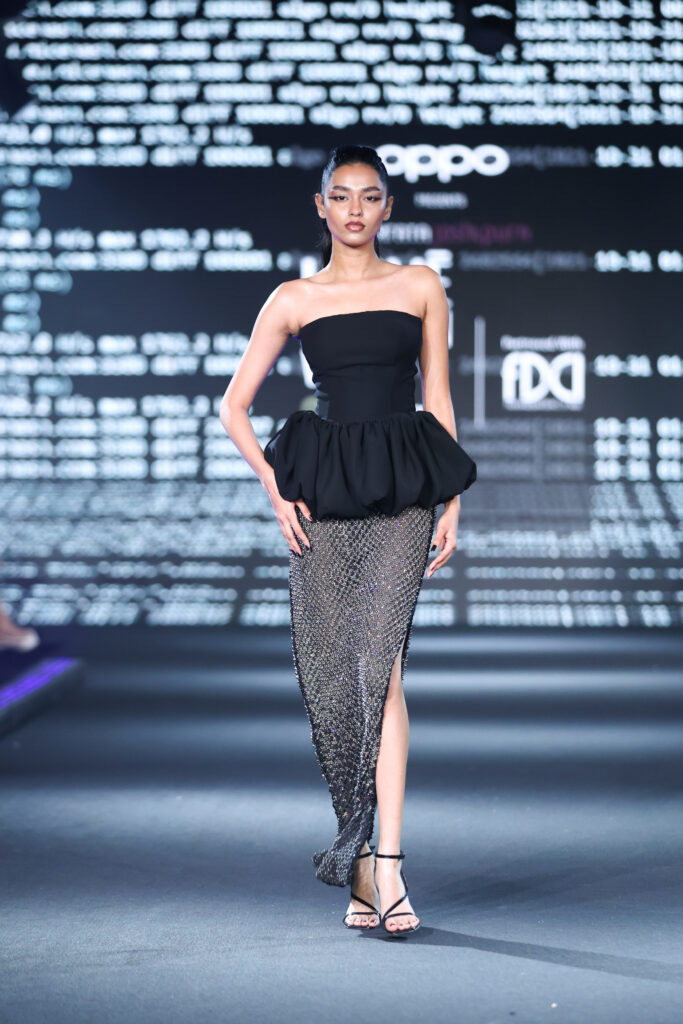
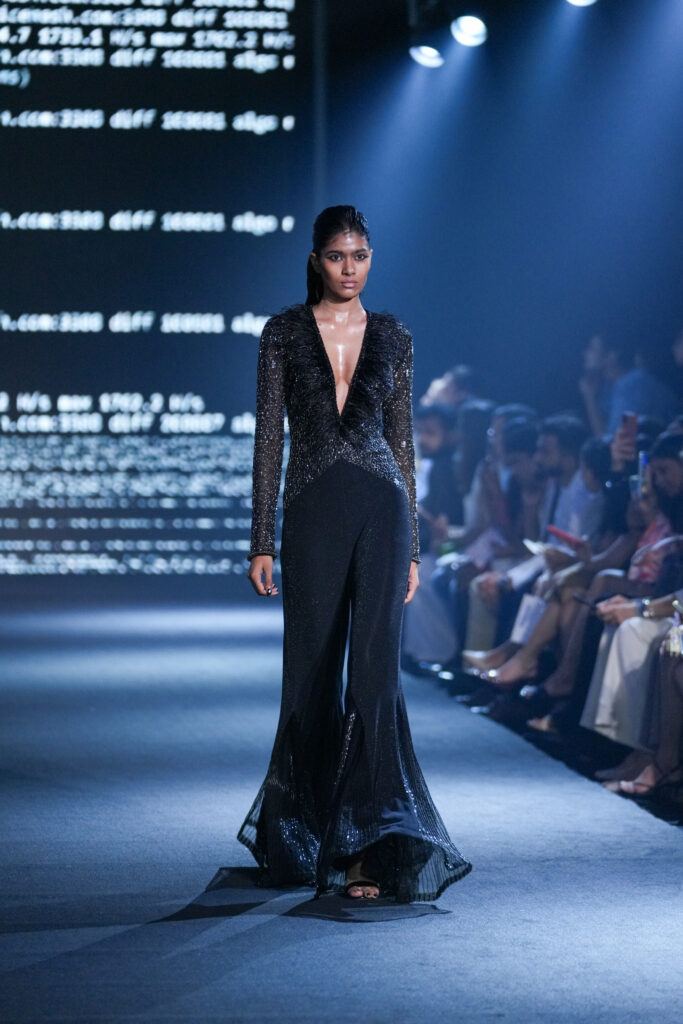
Interestingly B towns are more aggressively chasing designer clothing, travel is easier, social media has made things more accessible, Raipur, Indore Bhopal are huge markets. “Tier 2 cities have house parties, where they wear the finest designer clothing, don’t come to shop in Delhi, they get it online,” she adds. Sometimes they want it couriered to the nearest town from where they collect it, such is the craze,” she adds.
In a conversation where Indian textiles are now being adopted, Namrata believes it doesn’t go with her aesthetic. Hand done threadwork has been her language, “I don’t want to do it to tick a box, I must feel it, Art Deco has been a consistent inspiration. My look doesn’t change with seasons, one season organic, next one sexy,” she adds.
Drape, micro satins, sheer, extensive use of jersey comes from her love for sports, she is a marathon runner, the two can’t be separated, “it is like osmosis, it is absorbed,” she laughs. “I’m still figuring out why I am so drawn to the bodysuit, which Sunidhi Chauhan wore to her trip in Australia. Can you imagine an Indian woman in a bodysuit, even tier and 3 cities want it; I see a definitive shift, embracing their bodies,” she adds.
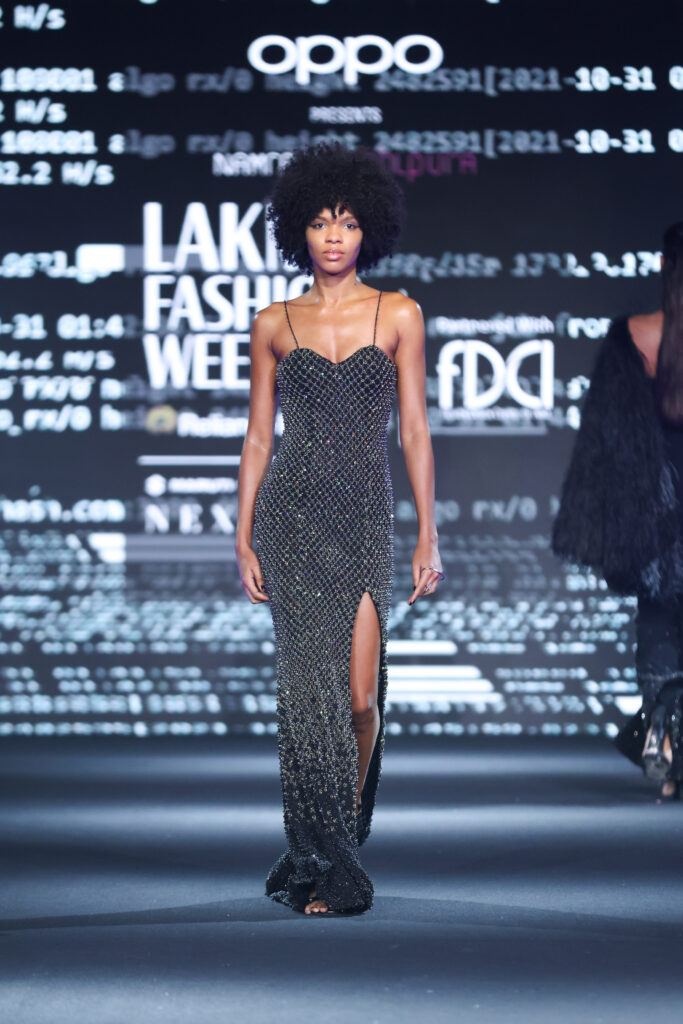
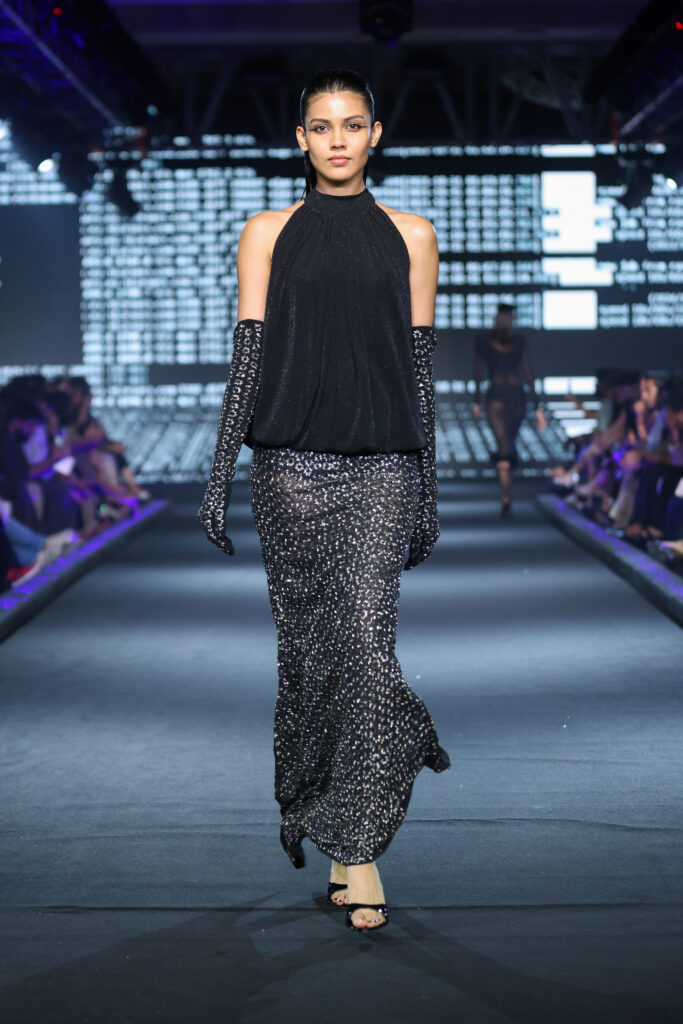
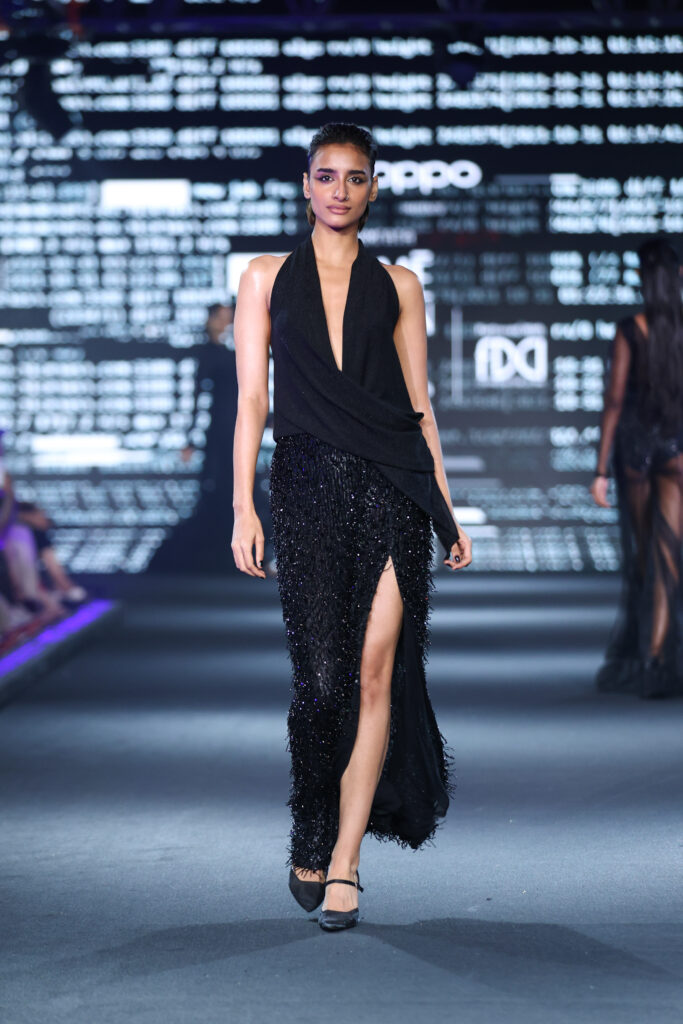
Even though she would never wear a gown, there is an increased body acceptance, the world has opened up now they won’t wear a sari, but a gown on their 25 th marriage anniversary in Roorkee to Etawah. “Indo-Western is a tacky world, but they want to wear dresses maybe not with a deep neckline, at kitty parties, lunches, it’s an anthropological observation,” she adds.
Namrata and bridal can’t be said in the same sentence, she would never dabble in it, what bothers her the most today is fashion’s growing dependence on “prompts”, with AI takeover. “Authenticity is under threat, it is a travesty,” she concludes.